An Overview Of The Fire-Focused Resources In The IAPMO Wildfire Resilience Toolkit
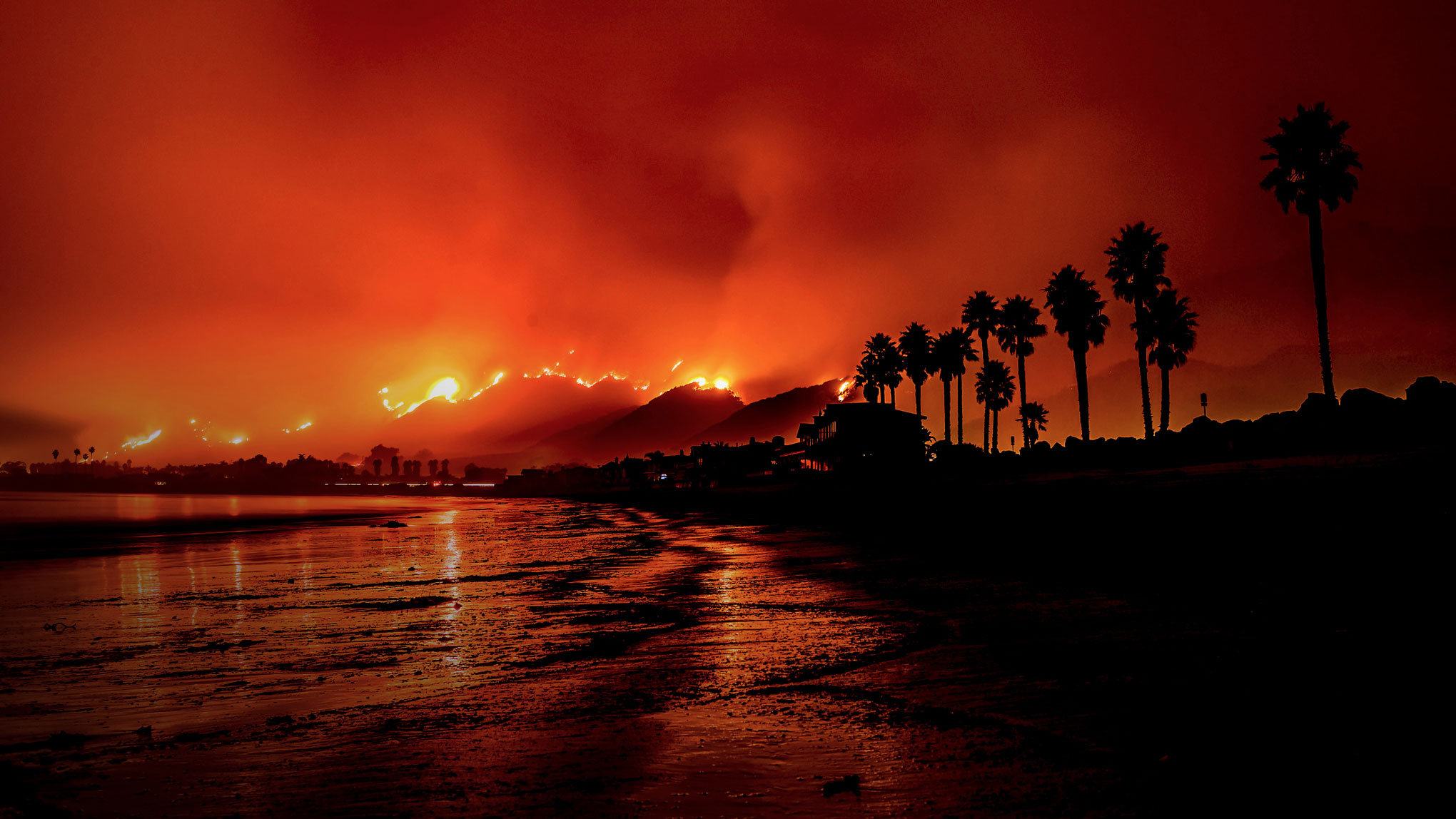
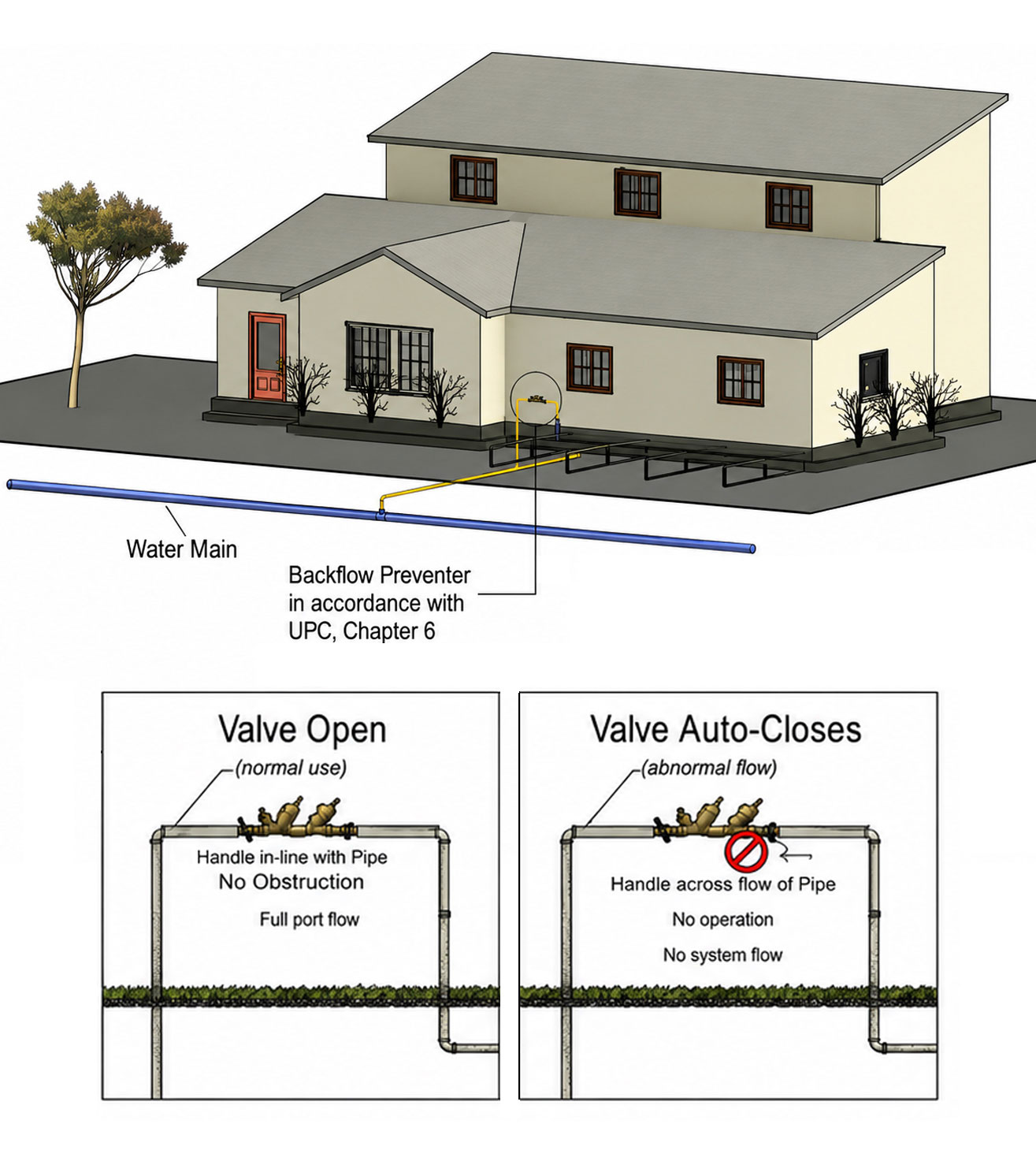
Wildfire is a powerful force that shapes landscapes, communities, and ecosystems across fire-prone regions. As more development occurs in the wildland–urban interface, the consequences of wildfire are no longer limited to the burn area itself — smoke impacts, damaged water systems, disrupted power, and the rapid spread of structure-tostructure fire can affect entire communities. In response, IAPMO’s Wildfire Resilience Toolkit (hosted on UniformCodes.org) curates training, standards, and practical guidance intended to help residents, professionals, and public officials reduce risk and strengthen recovery. The peerreviewed toolkit, with input from jurisdictions including the Los Angeles Department of Water and Power (LADWP), provides important guidance for plumbing installations such as shutoff valves, check valves, leak detection, and excess flow valves.
What is the IAPMO Fire Toolkit?
Within the Wildfire Resilience Toolkit, the Fire Toolkit portion brings together firesafety- oriented resources that support prevention, protection, and safer rebuilding. It’s designed to help readers navigate the “what” (reliable standards and code references), the “how” (training and implementation support), and the “who” (the kinds of stakeholders who need to coordinate before and after a wildfire).
Importantly, the Fire Toolkit is not aimed at a single audience. It is framed as a “go-to resource” for homeowners making riskreduction improvements, policymakers shaping local requirements, and community leaders coordinating preparedness and recovery. For building and safety professionals, it also points toward widely used fire safety references, helping align community action with recognized guidance.
What you’ll find inside the Fire Toolkit
1) TRAINING AND CERTIFICATION TO REDUCE RISK
The toolkit highlights training as a practical first step because wildfire resilience depends on day-to-day decisions made by property owners and the professionals who design, inspect, and maintain buildings. The page references NFPA’s educational resources, including online training focused on steps homes and businesses can take to vreduce wildfire risk to property. For communities, promoting credible training helps create a common baseline of understanding — what “defensible space” is, why ember exposure matters, and which mitigation actions are most effective.
2) FIRE SAFETY AND PREVENTION STANDARDS
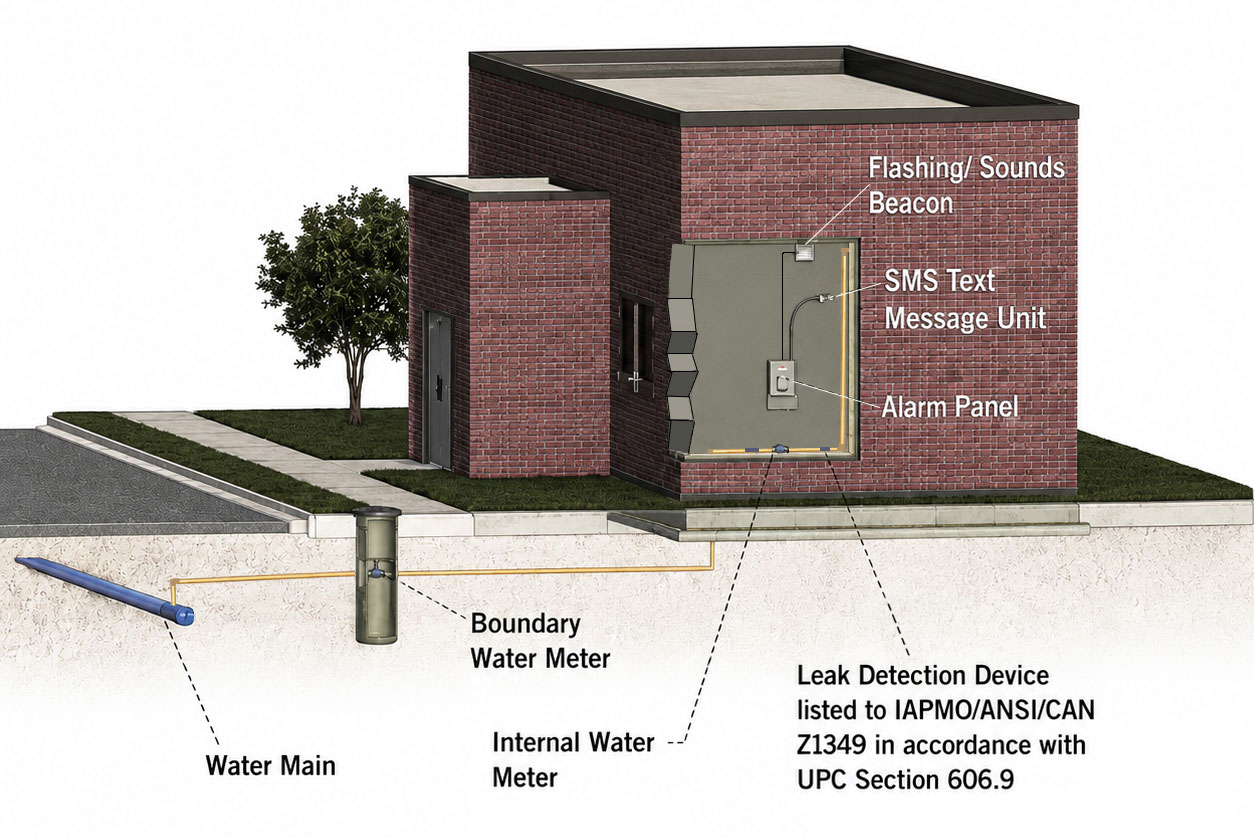
A central theme of the Fire Toolkit is that resilient outcomes rely on established, enforceable standards. The page points readers to core concepts such as fire prevention systems, retardant methods, sprinkler code requirements, and professional qualifications — framing these as building blocks for effective fire management in both residential and commercial settings. By grounding mitigation work in widely recognized references (such as NFPA guidance and code-based requirements), jurisdictions and project teams can move beyond ad-hoc fixes toward consistent, inspectable protections. An example depicting a leak detection device in a building
3) ACTIONABLE RESOURCES FOR HOMEOWNERS AND COMMUNITIES
Beyond standards and training, the Wildfire Resilience Toolkit positions itself as a practical hub, pointing users to opportunities such as grants, training, and actionable resources that help a community “stay informed, empowered, and ready to take action.” In the context of fire, that means focusing on measures that reduce ignition potential, improve early detection and response, and support safer rebuilding decisions after a disaster. How public officials and community leaders can use the Fire Toolkit
- Start with shared language and expectations. Use the referenced training and standards to align staff, residents, and partners on what “risk reduction” means in practice (e.g., ignition prevention, defensible space, and code-compliant protection systems).
- Strengthen local adoption and enforcement. Review local firerelated requirements and inspection practices against the standards and code concepts highlighted in the toolkit to identify gaps that could be addressed through updates, guidance bulletins, or targeted enforcement.
- Support safer rebuilding. After a wildfire, use code-aligned references to guide rebuilding priorities. Building back better was emphasized by IAPMO during the Mechanical Hub interview series “After the Fires,” which can be seen at https://mechanicalhub. com/after-the-fires/. As stated in the interview, one way to buil back better is to implement the IAPMO Water Demand Calculator, which leads to smaller pipe sizes.
IAPMO’s Fire Toolkit, as presented within the Wildfire Resilience Toolkit, emphasizes a straightforward idea: wildfire resilience improves when communities pair practical training with recognized standards and code-based approaches. Whether you’re a homeowner looking for credible guidance or a jurisdiction working to reduce future losses, the toolkit offers an organized starting point for turning wildfire risk into concrete, coordinated action.
The IAPMO Wildfire Resilience Toolkit can be found at https://www.uniformcodes.org/wildfire-resilience-toolkit/

Hugo Aguilar, P.E.
Last modified: July 14, 2026