
The creation of the International Water, Sanitation and Hygiene Foundation (IWSH) did not begin with a single project or a single moment. Like many of IAPMO’s most successful initiatives, it evolved gradually — shaped by relationships, inspired by firsthand experiences, and strengthened through partnerships that revealed how the plumbing industry could make a direct and lasting difference in underserved communities around the world.
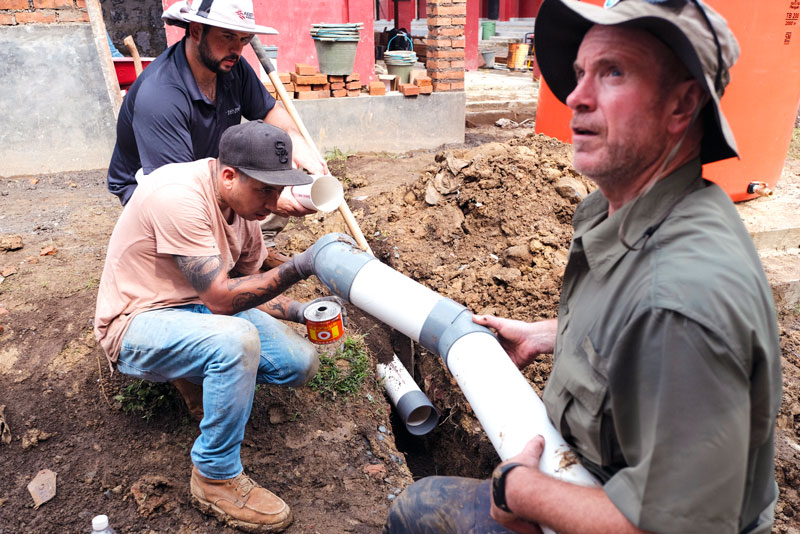
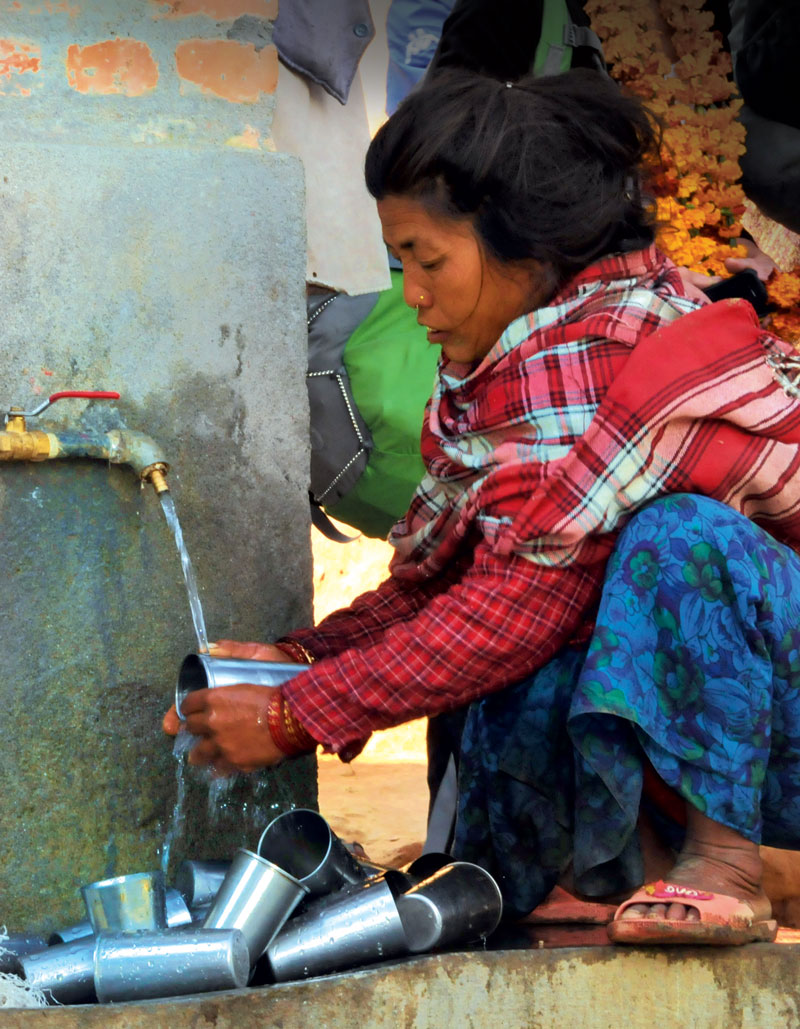
Long before IWSH formally existed, IAPMO members and staff were already engaging in humanitarian efforts connected to water and sanitation. Following natural disasters and infrastructure crises in places such as Haiti and Nepal, IAPMO volunteers traveled to affected regions to assist communities struggling without safe water or sanitation systems. Those early efforts were often informal and project-specific, but they planted an important seed: the realization that the technical expertise within the plumbing industry could become a powerful humanitarian force when organized with purpose and consistency.
There was also a growing recognition that these efforts aligned naturally with IAPMO’s broader mission of protecting public health and safety. As IAPMO CEO Dave Viola explained, “The organization had long excelled in codes, standards, testing, certification, training, and education, but humanitarian work offered a way to demonstrate those values directly within communities facing urgent need.”
Over time, a series of experiences, relationships, and projects continued to reinforce the need for a dedicated philanthropic arm that could centralize IAPMO’s humanitarian activities and provide a permanent structure for future work.
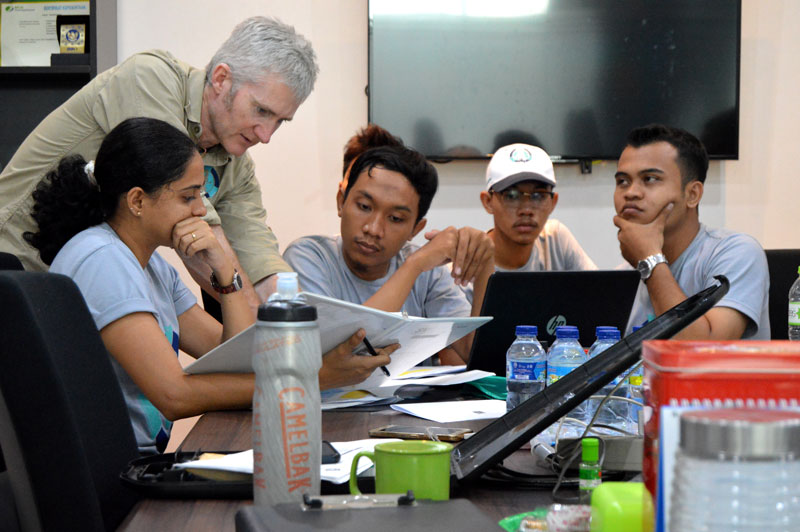
One of the most important early influences came through IAPMO’s relationship with the WorldSkills Foundation. As IAPMO became increasingly involved with WorldSkills International and the World Plumbing Council, new opportunities emerged to combine technical training, skills competitions, and humanitarian plumbing work into something larger and more impactful. When the WorldSkills Foundation concluded its work, IAPMO helped carry many of its initiatives forward, hiring key staff, including Seán Kearney, who oversees all IWSH activities as managing director, and building on early concepts that would eventually evolve into the Community Plumbing Challenge program.
IMAGES COURTESY OF IWSH
The World Plumbing Council also proved foundational to IWSH’s development. Through decades of international collaboration, the WPC had already created a global network of industry leaders, contractors, educators, and manufacturers focused on advancing safe plumbing practices worldwide. That relationship, in turn, strengthened connections with the World Health Organization, whose emphasis on sanitation, hygiene, and public health closely aligned with IAPMO’s own mission.
At the same time, Australian organizations and leaders played an especially influential role in shaping the philosophy behind what would become IWSH. Healthabitat, the Australia-based charity founded by architect Paul Pholeros, became one of the earliest and most important guiding partners. Healthabitat’s work focused not simply on installing plumbing systems, but on understanding how housing, sanitation, maintenance, and community engagement directly affect human health outcomes.
That philosophy deeply influenced the emerging IWSH model. Rather than arriving in communities with predetermined solutions, projects would begin by listening first: understanding local conditions, cultural needs, available materials, environmental realities, and long-term maintenance capabilities. Healthabitat also emphasized a critical lesson learned from years of humanitarian work — that failed systems were often not the result of community neglect, but rather poor construction, inappropriate technologies, or lack of followup support and training.
Those principles became foundational to IWSH’s identity.
In 2014, many of these relationships converged in Singapore during the Water Innovation Challenge, the project widely viewed as the first true precursor to today’s Community Plumbing Challenge model. Organized through partnerships involving WorldSkills, the World Plumbing Council, Australian and American plumbing teams, and engineering students, the event challenged participants to develop off-grid water and sanitation solutions in a collaborative, competition-style environment.
Although the Singapore project did not yet directly serve a host community, it established several key ideas that would define future IWSH work: combining technical innovation with skills training, engaging young tradespeople internationally, and demonstrating how plumbing expertise could address real-world humanitarian challenges.
Two years later, in 2016, IAPMO formally launched the International Water, Sanitation and Hygiene Foundation.
IMAGES COURTESY OF IWSH
The timing coincided with a rapidly expanding network of partners eager to support the initiative. Early financial and organizational backing came from groups including the United Association (UA), the Plumbing-Heating-Cooling Contractors Association (PHCC), the Mechanical Contractors Association of America (MCAA), ASPE, Sloan Valve Company, and numerous UA local unions. Local chapters such as UA Locals 78, 68, 412, and 400 would later become especially active contributors, repeatedly providing labor, training, logistical support, and volunteers for projects across multiple continents.
That same year, IWSH, under the leadership of Program Director Jed Scheuermann, completed one of its first major Community Plumbing Challenges in Diepsloot Township, South Africa. Teams representing South Africa, Australia, India, and the United States collaborated to design and install communal sanitation facilities while working alongside local residents and tradespeople. The project showcased the increasingly international character of IWSH and reinforced another emerging core principle: the communities themselves must remain central partners in every project.
This philosophy became even more refined through projects in Nashik, India, where IWSH worked closely with local schools, tradespeople, community leaders, and international partners to improve sanitation infrastructure while simultaneously providing hands-on plumbing education and training. Rather than simply completing installations and leaving, IWSH focused on building local knowledge and creating systems communities could maintain and sustain independently.
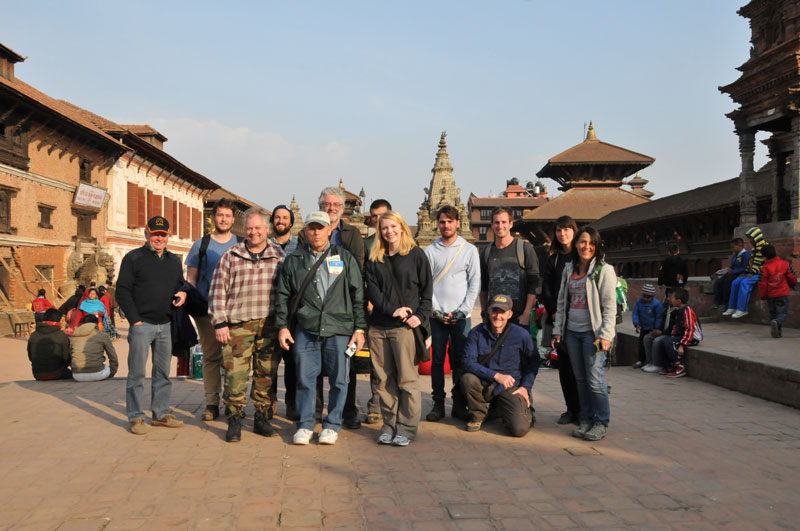
The same approach guided a 2015 project in Nepal, where Grant Stewart, IAPMO India, Healthabitat, the WorldSkills Foundation, Australian students, and local Nepali teams collaborated on plumbing improvements at a secondary school. Once again, local participation and training were treated as equally important as the infrastructure itself. As the organization matured, partnerships continued expanding geographically and strategically. Relationships with manufacturers strengthened. Educational institutions such as the Milwaukee School of Engineering contributed expertise. Australian organizations including the Dusseldorp Forum and PICAC helped support young plumbers participating in projects.
IMAGES COURTESY OF IWSH
One particularly transformative partnership began after DigDeep founder George McGraw delivered a keynote presentation at an IAPMO conference. McGraw’s work mapping water insecurity within the United States revealed something many in the industry found shocking: communities lacking reliable water and sanitation existed not only overseas, but throughout America itself.
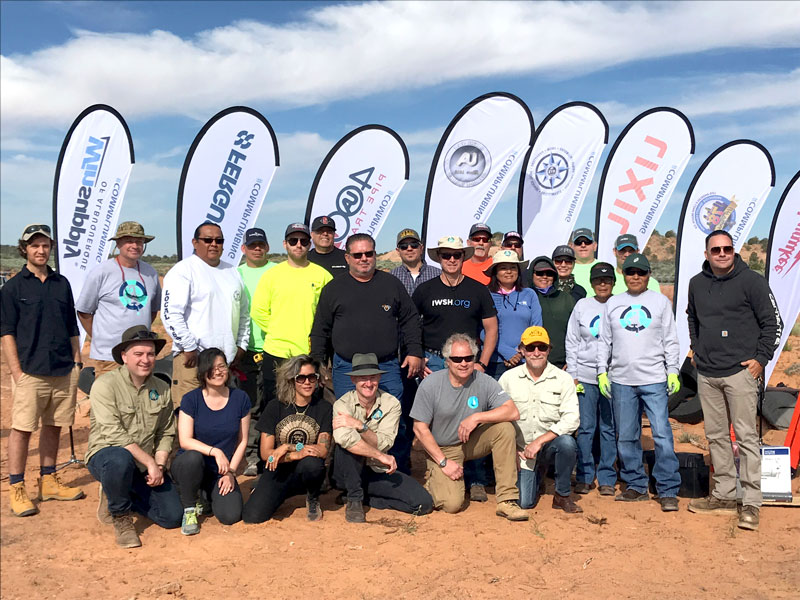
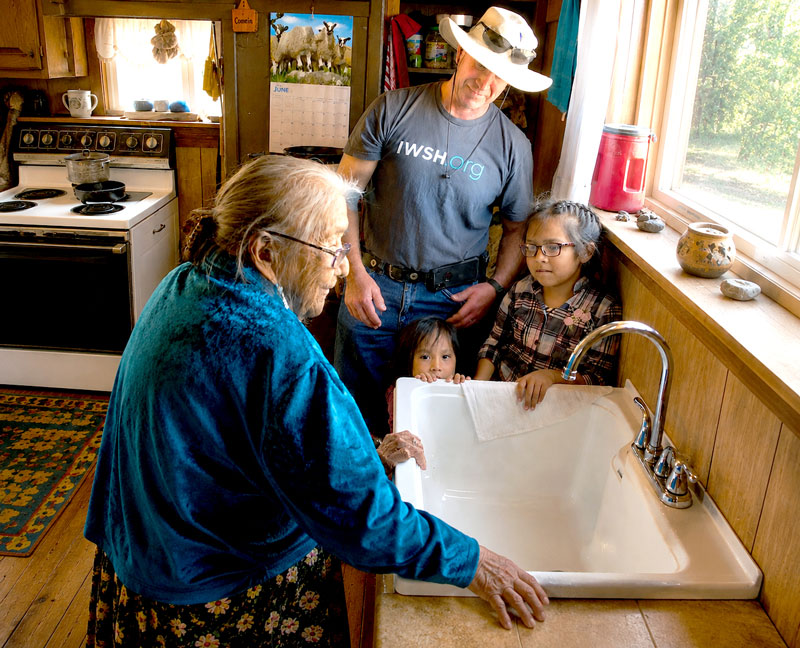
That realization helped inspire one of IWSH’s most important long-term partnerships. Beginning in 2018, IWSH partnered with DigDeep to support plumbing projects throughout the Navajo Nation, where many families still lacked running water and indoor plumbing. Working in communities such as Baca-Prewitt and Navajo Mountain, IWSH volunteers installed engineered septic systems, provided plumbing improvements, and trained local residents in installation, operation, and maintenance.
But perhaps more importantly, those projects fundamentally reinforced IWSH’s commitment to long-term engagement and trust-building. Community members shared stories of outside groups arriving with promises that were never fulfilled, or systems that failed because no one remained behind to support them. IWSH worked deliberately to break that cycle by returning repeatedly, listening closely, involving local residents directly in the work, and building lasting relationships rather than temporary publicity opportunities.
That partnership also evolved into workforce development efforts with Navajo Technical University, where IWSH, under the direction of Program Director Randy Lorge, helped support plumbing education initiatives designed to create local expertise and longterm self-sufficiency within the region.
As IWSH entered the 2020s, its work expanded rapidly both domestically and internationally. At the WorldSkills Australia National Championships, IWSH partnered with young plumbers to install hand-washing stations at Yooralla facilities serving disabled residents.
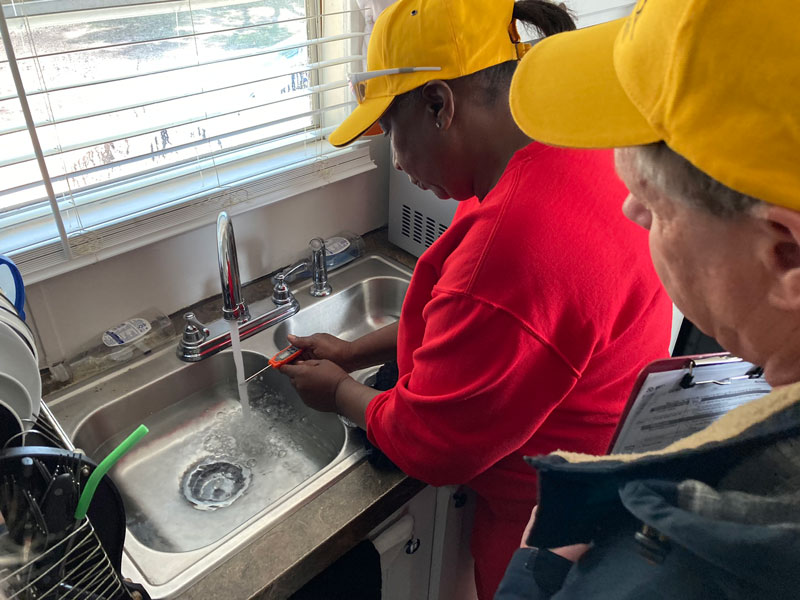
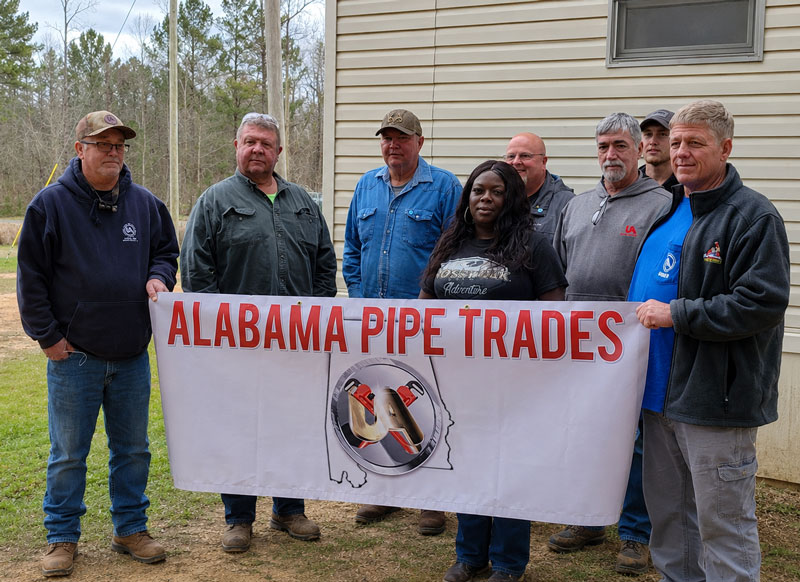
In Lowndes County, Alabama, the 2024 Community Plumbing Challenge addressed sanitation deficiencies that had affected residents for generations. Working with the Black Belt Unincorporated Wastewater Program, IWSH also trained local high school students to conduct household plumbing surveys that help identify failing systems and needed repairs.
IMAGES COURTESY OF IWSH
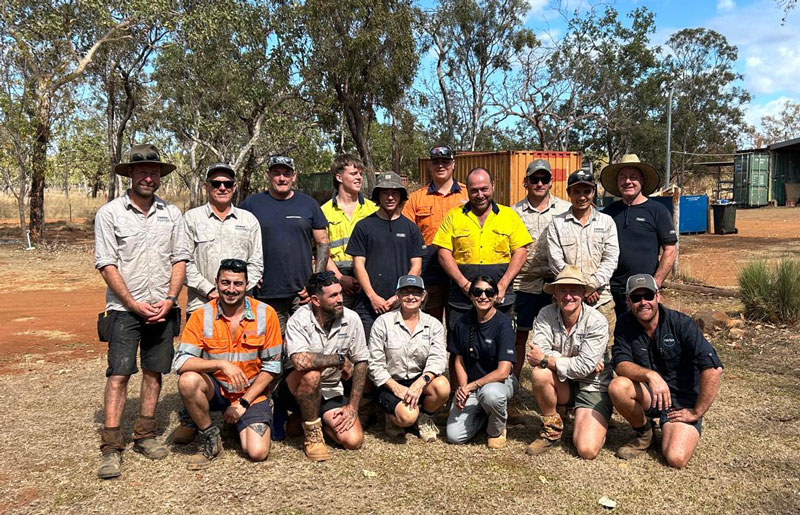
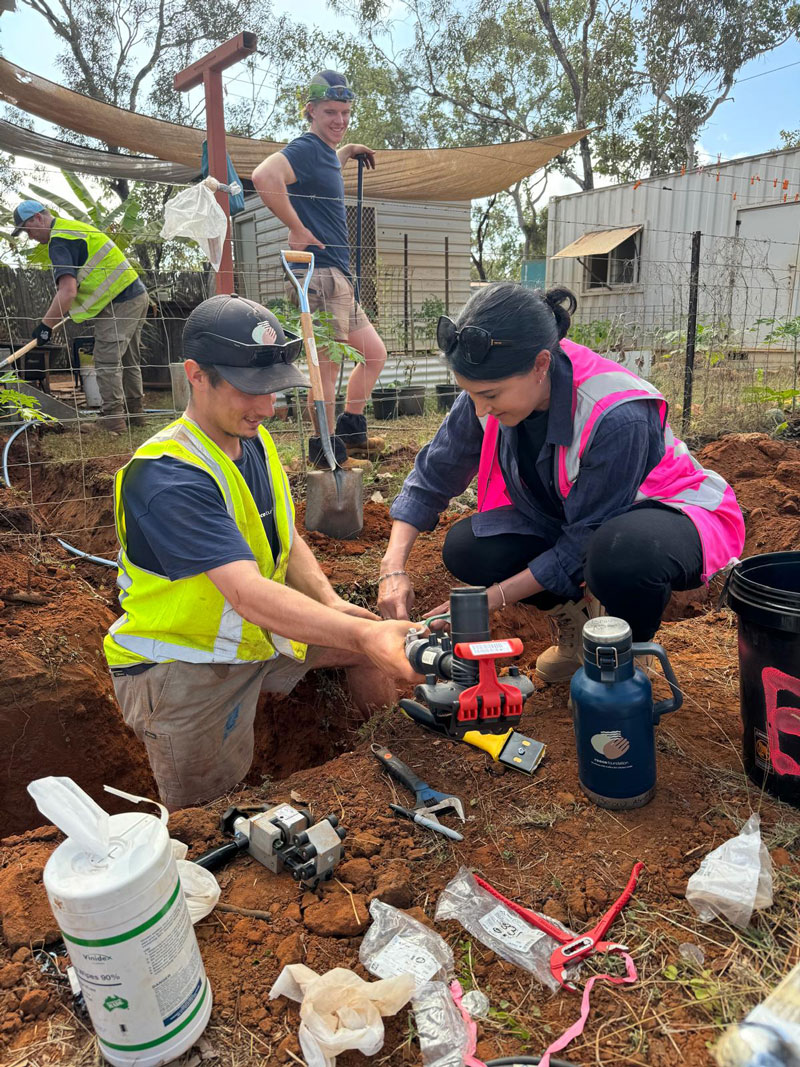
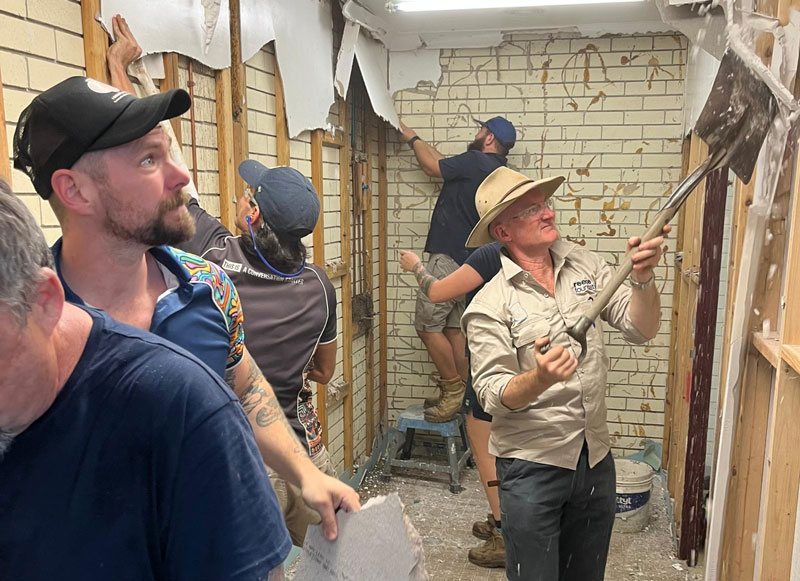
Also in 2024, IWSH helped facilitate a partnership between the World Health Organization and the World Plumbing Council in Manila, Philippines, supporting the WHO-UNICEF WASH in Healthcare Facilities initiative through plumbing repairs, system upgrades, and maintenance training at health care facilities. That same year, IWSH partnered with Mimal Land Management and the Reece Foundation during a Community Plumbing Challenge in Australia’s Northern Territory, delivering treated water systems to Indigenous rangers responsible for managing more than 20,000 square kilometers of environmentally significant land. The project also included hands-on training and educational outreach designed to ensure long-term sustainability.
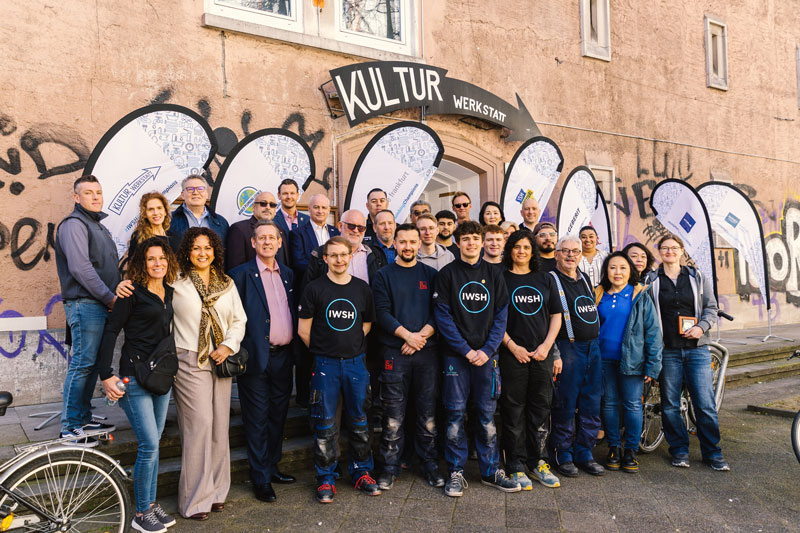
Most recently, in 2025, IWSH brought its Plumbing Champions initiative to Frankfurt during the ISH Festival, where young tradespeople from across the World Plumbing Council network collaborated to build plumbing and heating systems for installation at a downtown arts center. The project reflected how fully the original IWSH vision had matured — combining technical excellence, international collaboration, education, quality products, and community partnership into a scalable humanitarian model.
Looking back, the story of IWSH is ultimately a story about partnerships. Partnerships between organizations. Partnerships between nations. Partnerships between educators, manufacturers, contractors, unions, engineers, and public health leaders. Most importantly, partnerships with the communities themselves. From the earliest conversations about creating a foundation to today’s expanding global initiatives, IWSH has demonstrated that meaningful plumbing work depends not simply on delivering infrastructure, but on building trust, sharing knowledge, and empowering communities to sustain solutions long after the project teams return home.
As IWSH continues to grow, that collaborative spirit remains its defining strength, and the foundation upon which its future will continue to be built.
Geoff Bilau
Last modified: July 14, 2026