July 16, 2026
From the 2024 UPC Illustrated Training Manual, Chapter 8 – INDIRECT WASTES
801.7 Drip or Drainage Outlets. Appliances, devices, or apparatus not regularly classified as plumbing fixtures, but which have a drip or drainage outlets, shall be permitted to be drained by indirect waste pipes discharging into an open receptor through either an air gap or air break (see Section 801.3.1).
There are many types of devices that have water supplied to them and consequently must have a drain. An example might be a coffee maker with an automatic water fill (see Figure 801.7). These devices may be drained by indirect drains discharging to an approved receptor. The size of the drain, its length and need for an air gap or air break are dealt with in other sections of this chapter and will also apply to these installations.
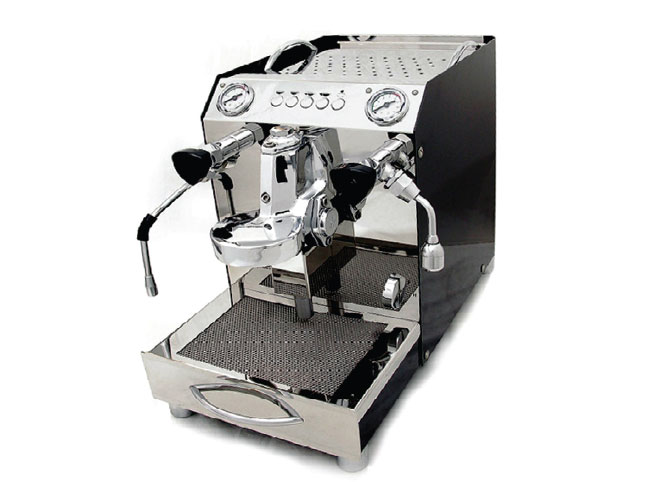
ESPRESSO MACHINE WITH DRIP OUTLET
From the 2024 UMC Illustrated Training Manual, Chapter 8 – CHIMNEYS AND VENTS
802.5.10 Cleanouts. Where a chimney that formerly carried flue products from liquid or solid fuel-burning appliances is used with an appliance using fuel gas, an accessible cleanout shall be provided. The cleanout shall have a tight-fitting cover and be installed so its upper edge is at least 6 inches (152 mm) below the lower edge of the lowest chimney inlet opening. [NFPA 54:12.6.7]
When a gas-heating unit or conversion burner is connected to a chimney that previously served for venting another fuel, after a period of operation on natural gas, carbon deposits or mortar materials can become dislodged from the chimney wall and drop to the base of the chimney. The accumulation of this debris, if great enough, can result in blockage of the venting system, sometimes with fatal results. A 6-inch drop leg and inspection/maintenance cleanout is required. The cleanout provides a sump to collect a considerable amount of debris before a potential accident occurs. The cleanout also enables homeowners and service personnel to clean debris easily and to inspect conditions.
(This is not to be considered the official position of IAPMO, nor is it an official interpretation of the Codes.)
IAPMO
IAPMO develops and publishes the Uniform Plumbing Code®,the most widely recognized code of practice used by the plumbing industry worldwide; Uniform Mechanical Code®; Uniform Swimming Pool, Spa and Hot Tub Code®; and Uniform Solar Energy, Hydronics and Geothermal Code™ — the only plumbing, mechanical, solar energy and swimming pool codes designated by ANSI as American National Standards — and the Water Efficiency Standard (WE-Stand)™. IAPMO works with government, contractors, labor force, and manufacturers to produce product standards, technical manuals, personnel certification/educational programs and additional resources in order to meet the ever-evolving demands of the industry in protecting public health and safety.
Last modified: July 15, 2026