
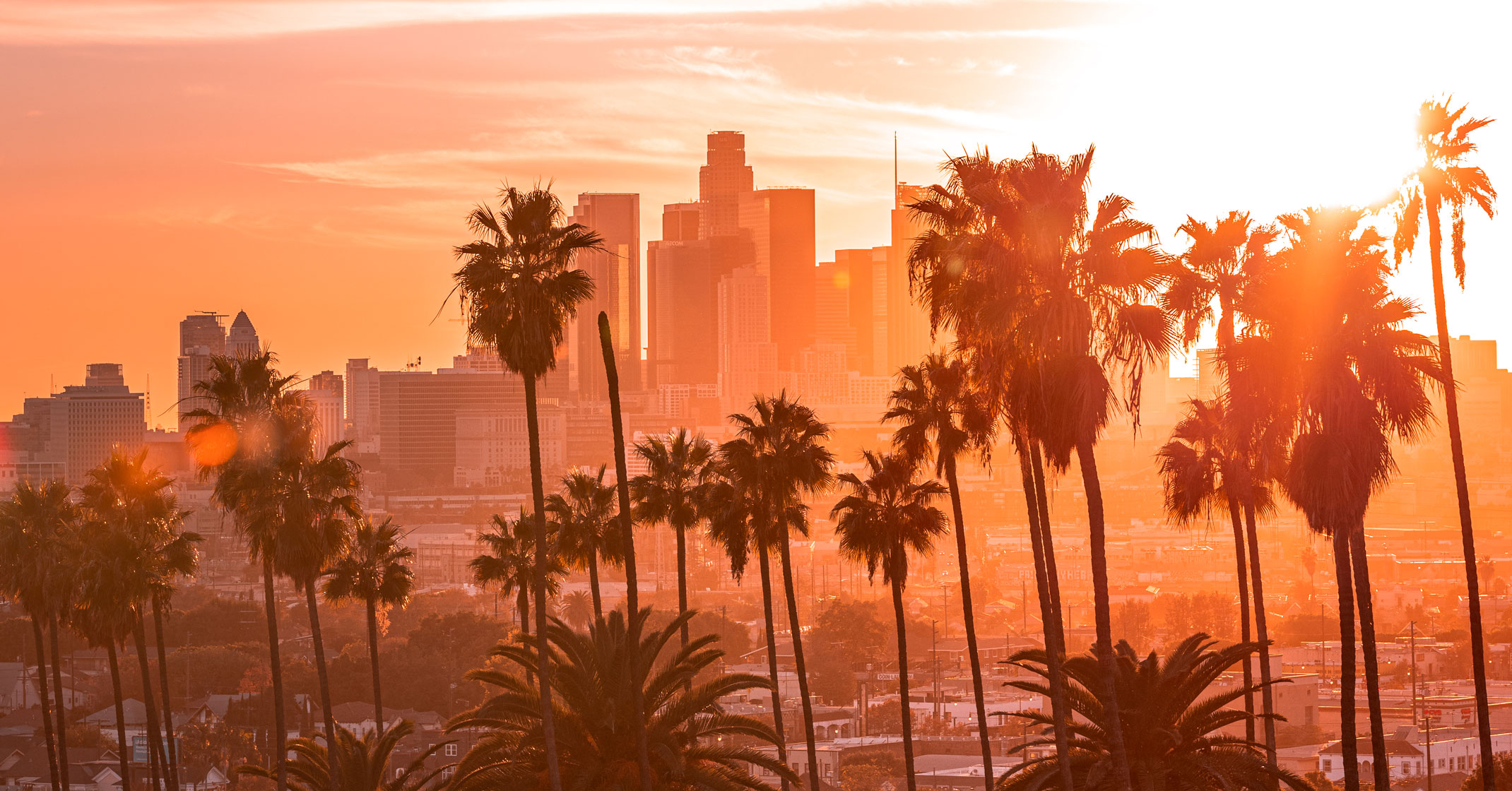
The story of Los Angeles begins long before bright lights and movie stars. For thousands of years, the Tongva people lived along the Los Angeles River and the surrounding valleys, building thriving communities sustained by the region’s mild climate and natural resources. Spanish settlers arrived in 1781 and established El Pueblo de Nuestra Señora la Reina de los Ángeles, planting the seeds of what would become one of the world’s great cities. By the late 19th century, the arrival of the railroad and the promise of year-round sunshine helped transform Los Angeles into a booming center of opportunity and innovation.
It was in this rapidly growing city that IAPMO was born. In May 1926, a small group of Los Angeles plumbing inspectors gathered to confront the public health challenges that came with explosive urban expansion. Concerned about unsafe drainage, sewer gases, and inconsistent plumbing practices, they formed an association dedicated to developing uniform standards that would protect communities. From that modest beginning, IAPMO grew into a global organization — but Los Angeles has always remained part of its DNA. The same spirit of problem-solving and collaboration that defined the city a century ago continues to shape IAPMO’s mission today.
At the same time IAPMO was taking root, Los Angeles was entering the era that would define its global identity: Hollywood’s Golden Age. The 1920s and 1930s saw the rise of major film studios, grand movie palaces, and legendary stars. Neighborhoods like Hollywood, Beverly Hills (first to adopt the Uniform Plumbing Code, by the way), and Westwood became playgrounds for icons such as Charlie Chaplin, Greta Garbo, and Humphrey Bogart. Landmarks like the Hollywood Sign, Grauman’s Chinese Theatre, and the Sunset Strip emerged as symbols of glamour and creativity. The city’s warm weather and open spaces made it the perfect backdrop for the entertainment industry—and for the thousands of professionals who built the infrastructure to support it. In the decades that followed, Los Angeles continued to reinvent itself. The postwar boom brought modern architecture, expanded freeways, and new industries, while cultural movements in music, art, and technology shaped the city into a global trendsetter. From Dodger Stadium to Griffith Observatory, from Olvera Street to the Santa Monica Pier, Los Angeles became a place where history, innovation, and imagination intersected every day. Just as IAPMO expanded from local roots to international influence, the city that nurtured it grew into a worldwide capital of ideas and opportunity.
As IAPMO returns to Los Angeles in 2026 to celebrate its 100th anniversary, the Annual Education and Business Conference will honor both the association’s origins and the city that helped shape them. With a theme inspired by Hollywood’s Golden Age, attendees will experience the energy, creativity, and heritage of the place where IAPMO began. From historic landmarks to vibrant neighborhoods, Los Angeles offers a living reminder that the greatest achievements can range from the glitz and glamour of Hollywood to the often unsung and sometimes unglamourous work of plumbers and other tradespeople who build things from the ground up.
Entertainment and Sightseeing
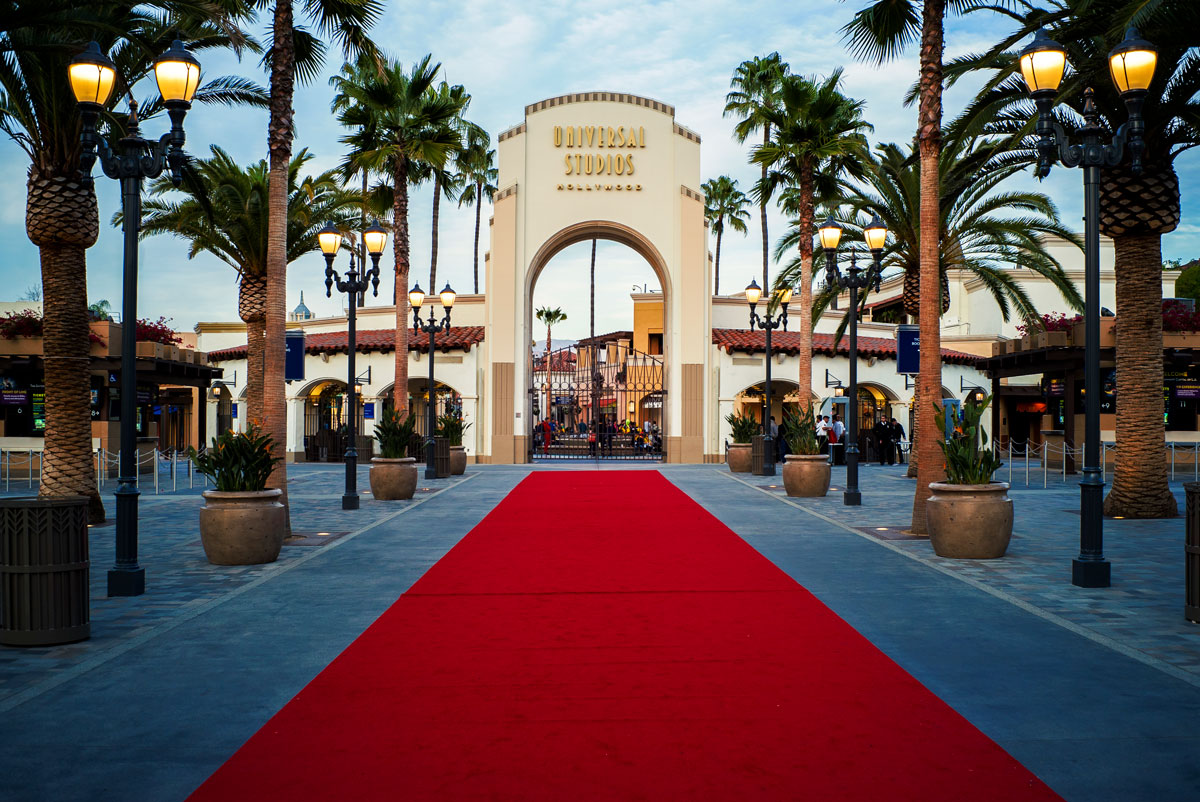
UNIVERSAL CITY WALK / UNIVERSAL STUDIOS HOLLYWOOD
Located a short stroll from the IAPMO conference hotel, Universal CityWalk offers a dynamic mix of restaurants, live entertainment and distinctive shops perfect for informal meetings, team dinners or a relaxed evening after a full day of sessions. From quick bites to chef-driven dining and rooftop views, CityWalk keeps the energy of Hollywood right at your doorstep. On Tuesday night, the excitement continues inside Universal Studios Hollywood, where attendees will enjoy a private event featuring exclusive access to The Wizarding World of Harry Potter™, Springfield’s colorful Simpsons Land and the legendary Studio Tour tram ride. It’ll be an unforgettable evening and uniquely Los Angeles.
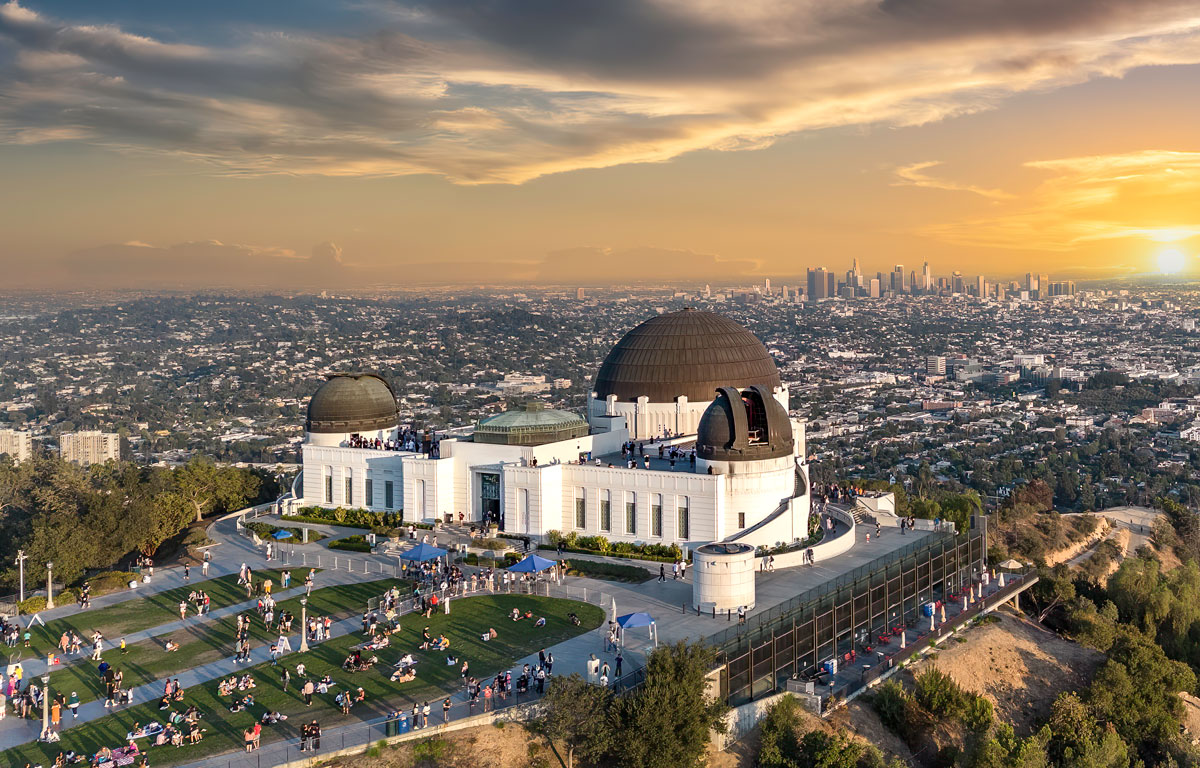
GRIFFITH OBSERVATORY
Perched high above Los Angeles, Griffith Observatory offers some of the most spectacular views in Southern California, from the Hollywood Sign to the Pacific Ocean. The historic Art Deco landmark features engaging space and science exhibits, a stateof- the-art planetarium, and free public telescopes for stargazing after dark. Visitors can explore scenic hiking trails in Griffith Park before stepping inside to learn about the cosmos and the city’s connection to astronomy. Open to the public at no charge, the Observatory is both an educational destination and one of L.A.’s most iconic experiences.
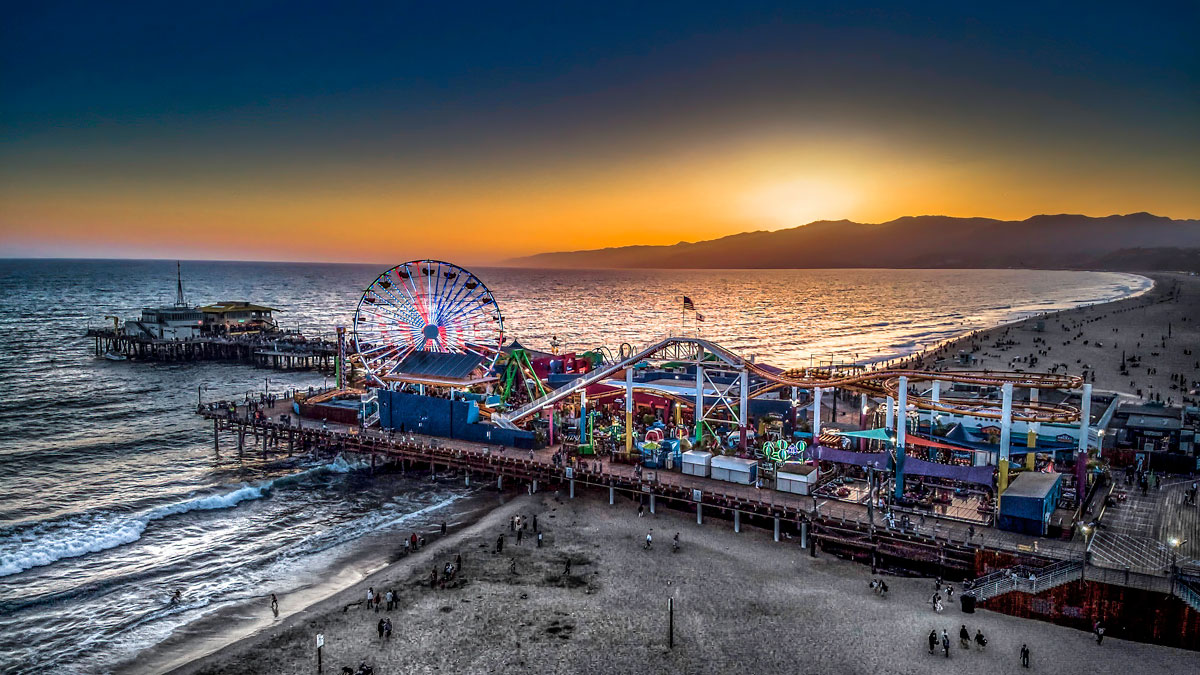
SANTA MONICA PIER
The Santa Monica Pier is one of Los Angeles’ most recognizable seaside landmarks, offering classic coastal fun with sweeping views of the Pacific Ocean. Visitors can ride the historic carousel, enjoy the colorful attractions of Pacific Park, or simply stroll the wooden planks while watching street performers and fishing boats below. The pier connects directly to Santa Monica Beach and the bustling Third Street Promenade, making it an ideal starting point for exploring the area. Whether at sunset or under the glow of the Ferris wheel at night, the pier delivers a true taste of Southern California charm.
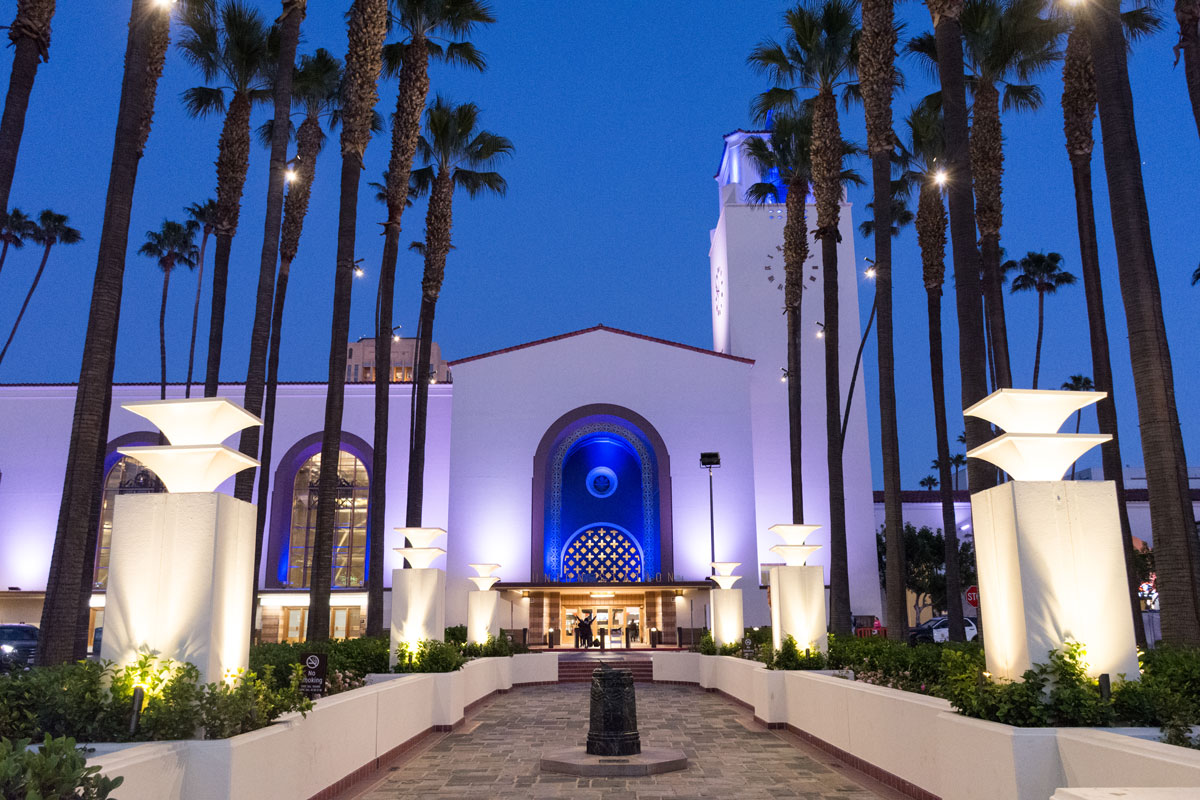
OLVERA STREET / UNION STATION
Olvera Street is the colorful birthplace of Los Angeles, a lively historic marketplace that celebrates the city’s Mexican and Spanish heritage. Visitors can stroll the brick-lined paseo to explore artisan stalls, traditional restaurants, and landmarks like the Avila Adobe, the oldest house in L.A. The area often features live music, folklórico dancing, and seasonal festivals that bring local culture to life. Conveniently, the street is just steps from Union Station, making it an easy and welcoming stop for travelers exploring downtown.
calleolvera.com unionstationla.com
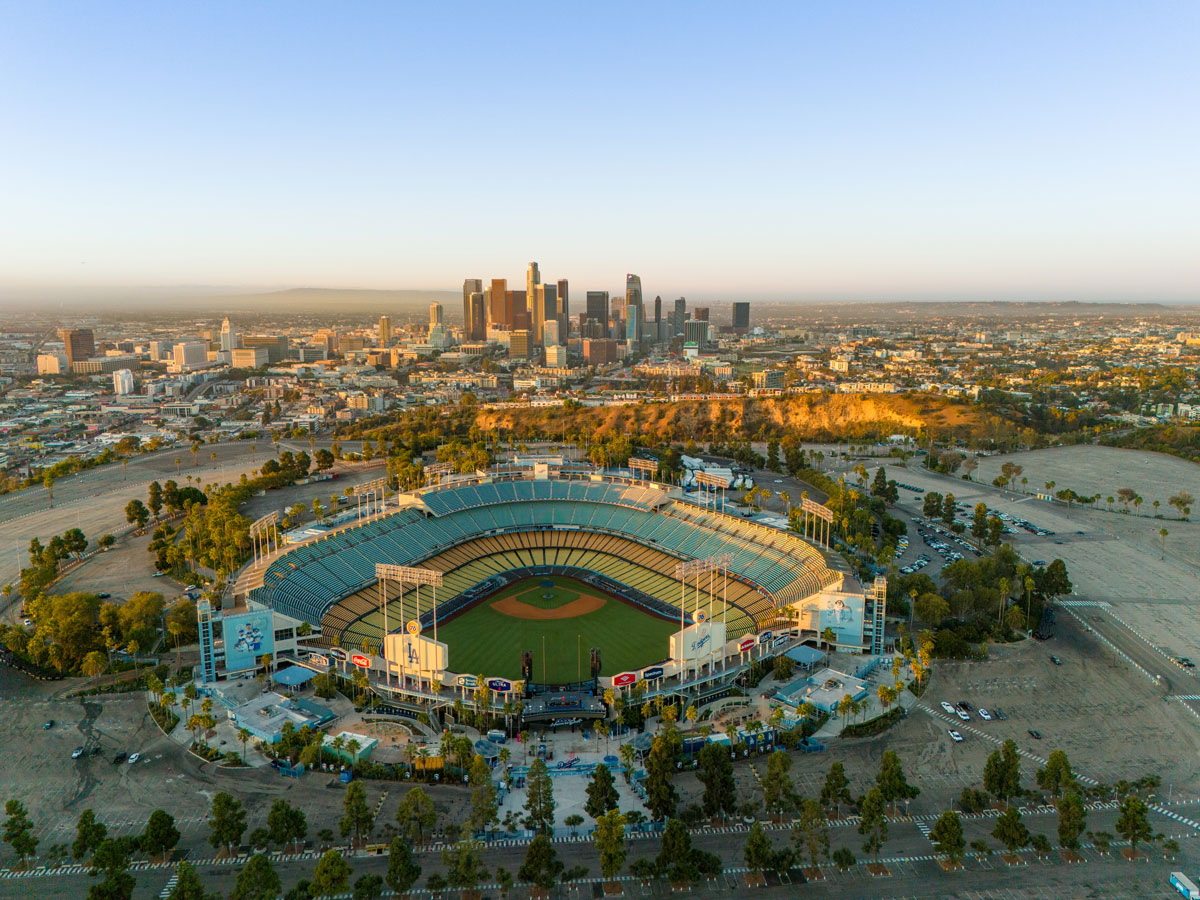
DODGER STADIUM
Dodger Stadium is the iconic home of the two-time defending World Series champion Los Angeles Dodgers, offering a classic MLB experience with sweeping views of downtown L.A. and the San Gabriel Mountains. As conference concludes, the Dodgers host a weekend series against the San Francisco Giants, Sept. 18-20 — a great chance to catch late-season baseball in the league’s thirdoldest ballpark. Arrive early to explore fan favorites like the Dodger History Museum and enjoy a classic Dodger Dog before first pitch.
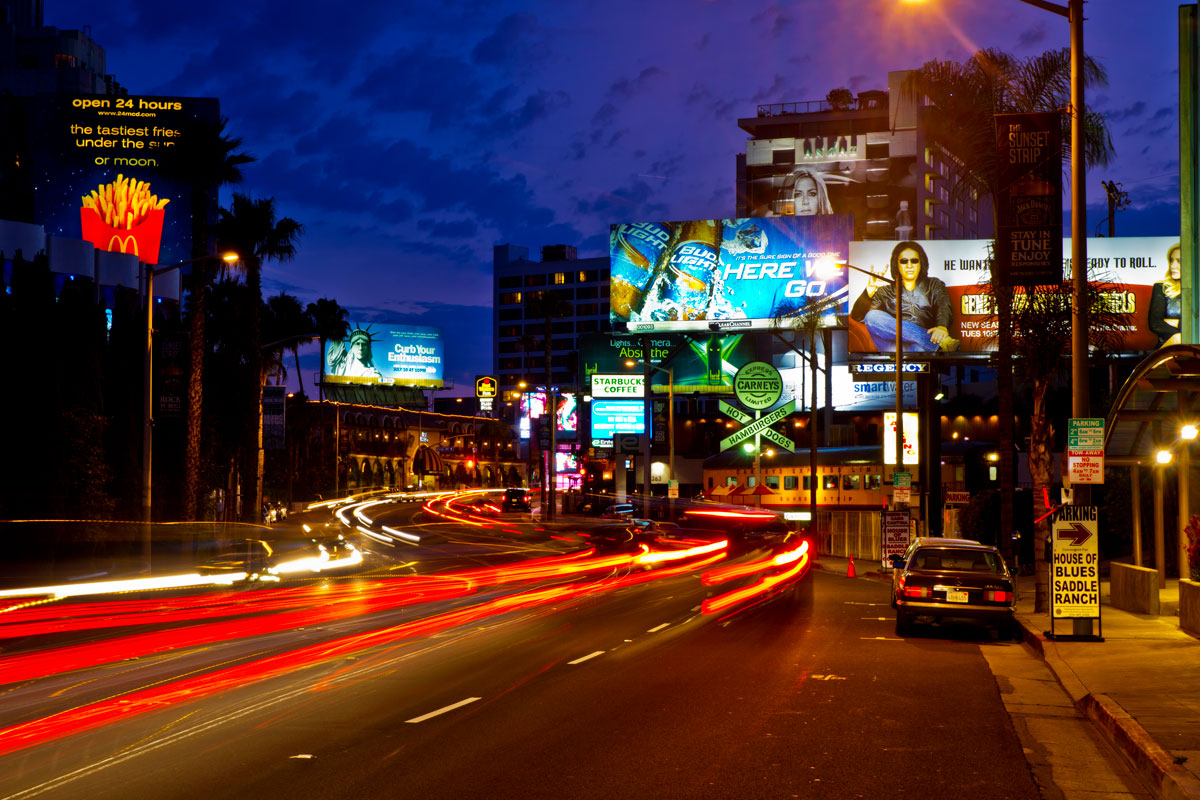
SUNSET STRIP
The Sunset Strip is the legendary mile-anda- half stretch of Sunset Boulevard that helped define Los Angeles nightlife and rock-and-roll culture. Lined with iconic venues like the Whisky a Go Go, the Roxy Theatre, and the Viper Room, it remains a vibrant destination for live music, comedy clubs, and rooftop dining. A stroll along this historic corridor offers a front-row glimpse into the glamour and attitude that made Hollywood famous.
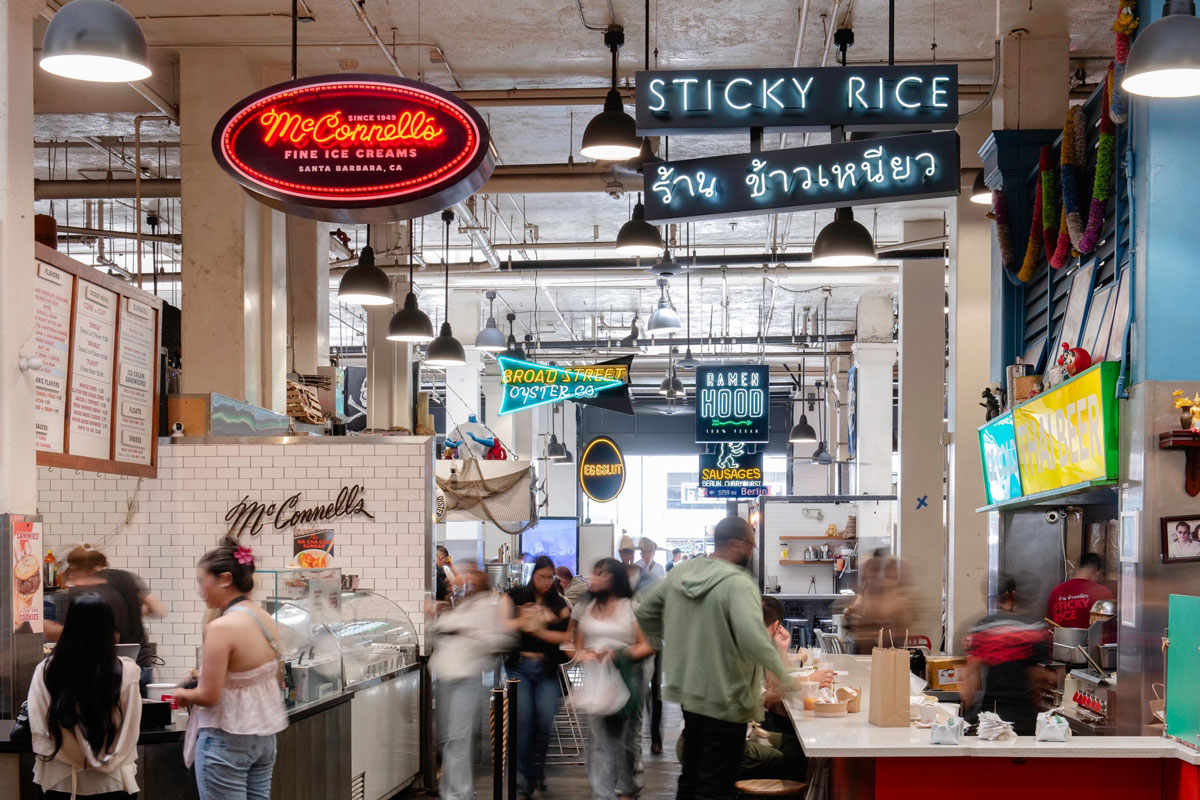
ANGELS FLIGHT / GRAND CENTRAL MARKET
Angels Flight is a charming, historic funicular railway that has carried passengers up and down Bunker Hill since 1901, offering a quick ride and a classic piece of Los Angeles nostalgia. Just across the street, Grand Central Market serves as one of the city’s most beloved culinary destinations, packed with food stalls featuring flavors from around the world. Together, the two landmarks provide a perfect snapshot of old and new L.A., blending vintage character with modern energy. Whether you’re grabbing lunch, exploring downtown, or snapping photos, it’s an easy and memorable stop for any visitor.
angelsflight.org grandcentralmarket.com
GOLF
Los Robles Greens Golf Course in Thousand Oaks is an 18-hole championship layout known for its strategic design, dramatic elevation changes, and well-protected greens. Golfers will encounter tree-lined fairways, water features that come into play on several holes, and thoughtfully placed bunkers that reward accuracy and smart course management. With multiple tee options and a challenging yet fair setup, the course offers an engaging test for low handicappers while remaining playable for golfers of all skill levels.
Los Robles Greens Golf Course 299 S. Moorpark Road Thousand Oaks, CA 91361 (805) 495-6421
WEATHER
September in Los Angeles typically brings warm, sunny days with daytime temperatures in the upper 70s to mid-80s and cooler evenings that can dip into the 60s. Visitors should dress in light, breathable clothing for the day, but bring a light jacket or sweater for evenings, especially near the coast where ocean breezes can add a chill.

Geoff Bilau
Last modified: April 15, 2026