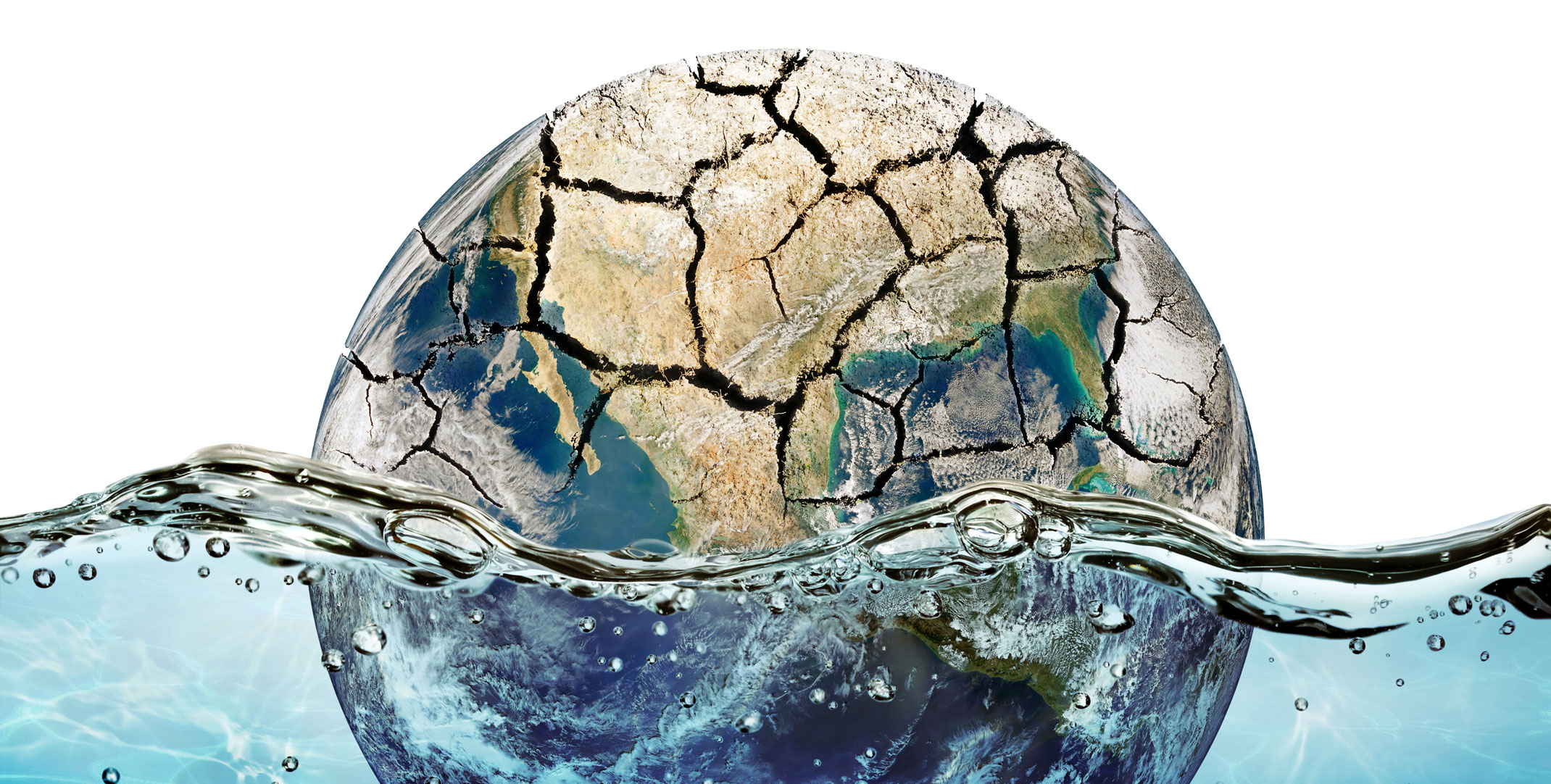
In regions where every drop of water counts, the work of a plumber becomes far more than a trade — it becomes a frontline defense in the battle against waste. Across Nevada and California, two major water authorities have turned to IAPMO to strengthen that frontline through targeted, technically advanced training programs designed to elevate the plumbing industry’s role in water conservation.
Through the Southern Nevada Water Authority (SNWA) Water Smart Contractor Program and the CalWEP Leak Repair Elite Contractor Program, IAPMO has engineered comprehensive initiatives that not only raise the skill level of participating plumbers but also create trusted networks of qualified contractors that water agencies can confidently refer to their customers. In doing so, IAPMO is helping to close the gap between water policy, plumbing practice, and household level conservation.
The Southern Nevada Model: Training Plumbers for a Desert Community’s Needs
Southern Nevada is a region defined by scarcity. With Lake Mead at historic lows and the Colorado River system under unprecedented stress, SNWA has aggressively pursued programs capable of reducing residential water loss. Recognizing that leaks and inefficient plumbing systems contribute significantly to unnecessary consumption, SNWA enlisted IAPMO to help build a contractor program rooted in training, technical accuracy, and public trust.
In early 2022 SNWA reached out to the IAPMO training department requesting assistance in developing the Water Smart Contractor training program. After reviewing what SNWA wanted to accomplish with this program, a thorough and regularly updated six-hour course tailored to Nevada’s unique conditions and regulatory environment was developed. Throughout the program, plumbers are introduced to the fundamentals of water efficient residential plumbing design, the importance of proper pressure management, and the best practices for preventing leaks at their source. Course segments delve into UPC requirements, hot water optimization, the role of pressure reducing valves (PRVs), the use of Appendix M’s Water Demand Calculator, and with input and assistance in presenting the topic, the intricacies of swimming pool and irrigation system water loss — an especially critical topic in the desert.
The presentation also reviews the various types of leak detection methods and devices, including meter diagnostics and dye testing, to ensure plumbers are prepared not just to identify problems but to resolve them efficiently and safely. Upon completion, contractors sign an agreement with SNWA and become part of the program’s preferred contractor list, a vetted group of professionals SNWA confidently recommends to customers experiencing leaks or high-water usage. Homeowners now have access to more than 35 reliable plumbing contractors listed on SNWA’s website who have received training within the three years since the inception of the program. For SNWA, it means measurable reductions in water waste and consistent, high quality customer service.
California’s Approach: A Leak Repair Force for a Thirsty State
On the western side of the Sierra Nevada, California faces its own long standing battle with drought and water scarcity. And while the state has invested heavily in technology, infrastructure upgrades, and policy reform, residential plumbing remains one of the most direct and impactful ways to reduce water loss. This is where the California Water Efficiency Partnership (CalWEP) sought IAPMO’s expertise.
In early 2024, several CalWEP staff members attended a presentation by SNWA on their Water Smart Program. After internal discussions with CalWEP’s water agency partners, Valley Water, Irvine Ranch Water District, BAWSCA, EBMUD, and Moulton Niguel Water District pooled their resources to create the Leak Repair Elite Contractor Program. The program was designed specifically for California’s regulatory environment, one shaped by the California Plumbing Code, CalGreen standards, and WaterSense requirements. As with the SNWA program, IAPMO’s curriculum goes beyond technical instruction to include modern leak detection techniques, right sized plumbing system design, and a deep dive into the installation and testing of water efficient fixtures and appliances.
An additional aspect that was added to the CalWEP program was customer communication. Plumbers are trained not only to repair leaks but to educate homeowners — dispelling myths, explaining efficiency upgrades, and helping customers understand how small leak issues can lead to significant water and cost savings. The goal is to create contractors who are not just skilled technicians, but informed ambassadors of water conservation.
Like its Nevada counterpart, CalWEP’s program ends with contractors entering into agreements with participating water agencies. IAPMO maintains a directory of Leak Repair Elite Contractors that water agencies can use for referrals, creating a dependable network agencies can rely on when customers report leaks, receive overuse alerts, or seek ways to improve efficiency. Both programs are working with IAPMO’s Education and Training Department to create a refresher program that will be taken every three years by the contractors in order for them to remain on the directory.
IAPMO’s National Approach to Commercial Water Conservation
In partnership with leading subject matter experts, IAPMO has also developed a National Commercial Water Auditor Training program that supports utilities in building a smarter water future by strengthening the workforce that delivers conservation results. This intensive, three day program, which kicked off in early 2025, prepares participants to become certified water efficiency auditors through a blend of technical instruction and hands on, field based learning at a commercial site. Developed with industry best practices in mind, the training equips utilities and their partners with consistent, trusted methodologies they can deploy across commercial, institutional, and multifamily conservation programs.
Through this program, IAPMO is redefining conservation training by focusing on real world application and long term impact. Participants receive personalized guidance from expert trainers before, during, and after the course, building both technical capability and professional confidence. Upon completion, participants are prepared to take an IAPMO exam and earn a recognized certification, enabling them to return to their communities ready to identify water savings opportunities, support utility efficiency goals, and improve commercial water performance with credibility and consistency.
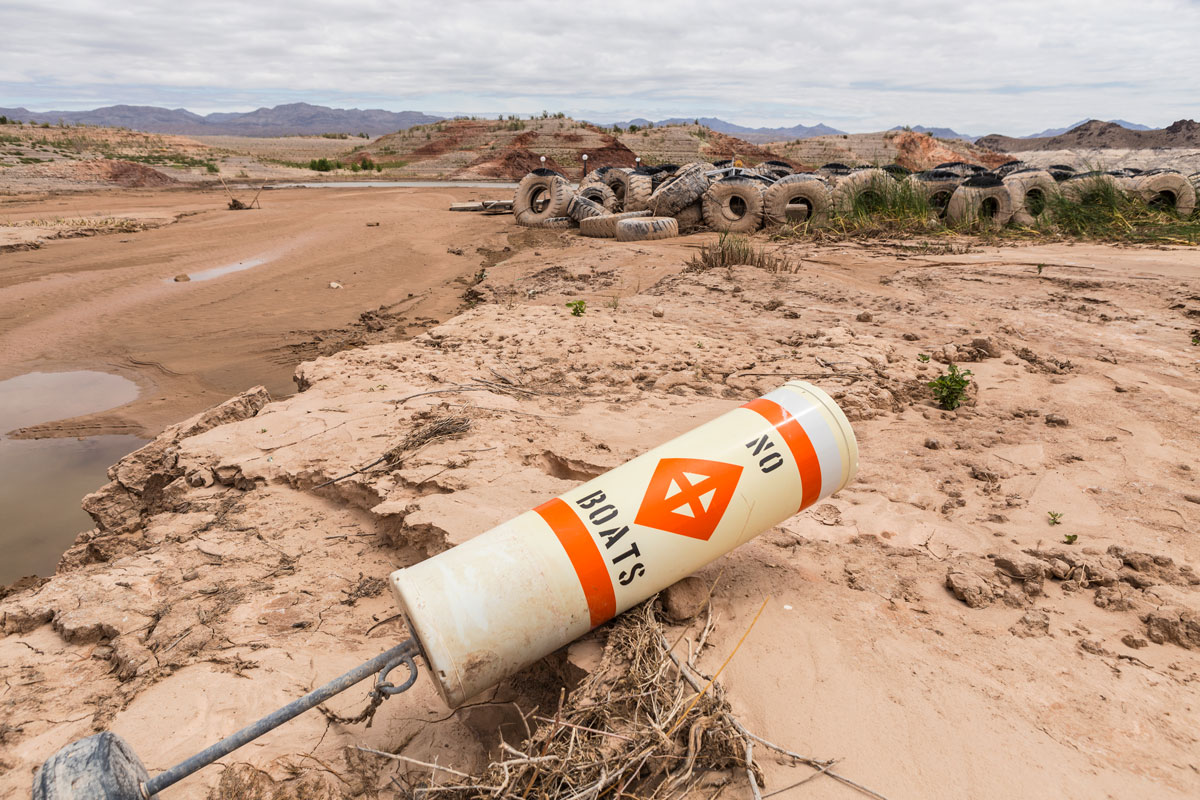
A dried lake bed serves as a stark reminder of the growing pressure on water resources and underscores the importance of conservation, efficient water use, and sustainable infrastructure to protect communities and ecosystems for the future. GETTY IMAGES
A Unified Mission: Elevating Plumbing Practice as a Conservation Tool
Although these three programs serve slightly different audiences and regulatory landscapes, their shared vision is unmistakable: create a well trained, agency vetted plumbing workforce that can respond rapidly and effectively to water wasting problems in homes and businesses.
By partnering with IAPMO — a global leader in plumbing codes, education, and workforce development — water agencies have been able to produce training programs that blend technical rigor with practical, on the ground application. The result is a workforce who understands not only how plumbing systems function, but how they fit into the broader context of community wide water management.
In an era of increasingly unpredictable water supplies, these programs offer a powerful model for utilities everywhere: one that strengthens local contractor networks, enhances public trust, reduces system wide water loss, and aligns everyday plumbing practice with long term sustainability goals.
IAPMO’s work in Nevada and California shows that meaningful water savings often start at the household level, driven by a partnership between trained plumbers and informed water agency staff. Together, these professionals are on the front lines of leak response, efficiency improvements, and customer education. By investing in their training, water authorities strengthen the capacity of both groups to protect public health and deliver lasting community wide water savings.
Senior Director of Workforce Training and Development - IAPMO
ASSE Webinar Coordinator
North America Program Director - IWSH
Last modified: April 15, 2026