
EPIC CLEANTEC AND DEVIL’S CANYON TURN RECYCLED SHOWER AND LAUNDRY WATER INTO AWARD-WINNING CRAFT BEER
They proved it could be done. Now they’re seeing if it will sell.
Beer made with recycled shower and laundry water might sound like a novelty, but Epic Cleantec and Devil’s Canyon Brewing Co. are betting it can be something more: a viable, market-ready product that challenges perceptions about water reuse and public health.
The two companies initially teamed up in 2022 to produce 7,500 cans of OneWater Brew, a Kölsch-style ale made with ultrapurified water from one of Epic Cleantec’s projects in a downtown San Francisco high-rise. Not available for sale, the creation nonetheless went viral and was named a TIME Best Invention and a Fast Company World Changing Idea.
It was time to let the market decide.
“We wanted to do this again, and we wanted to actually sell it,” Epic Cleantec co-founder and CEO Aaron Tartakovsky said. “Not because we were interested in making a lot of money off the beer, but because we actually just wanted to prove that this wasn’t just a novelty thing, but that people would actually buy this.”
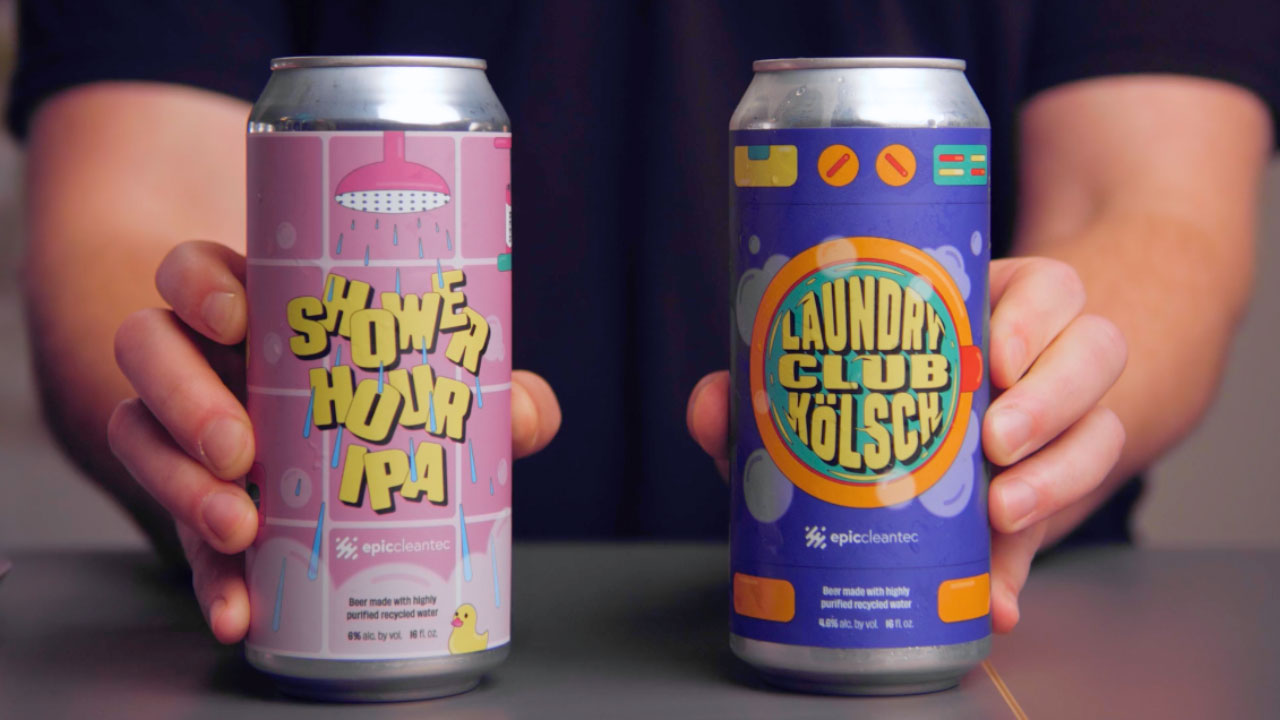
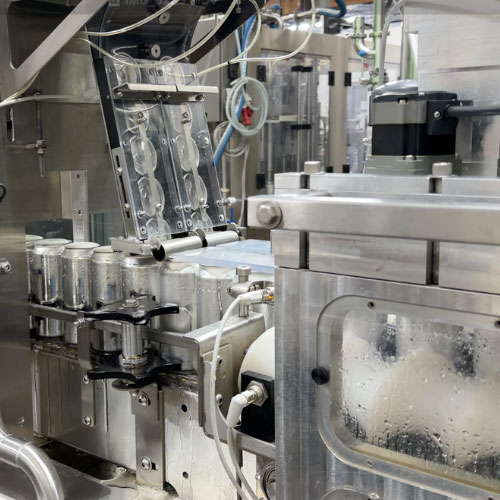
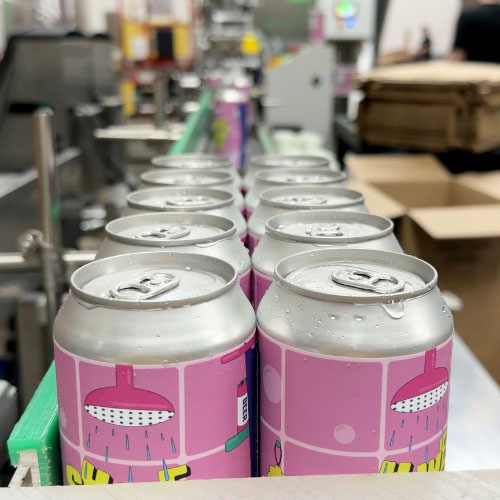
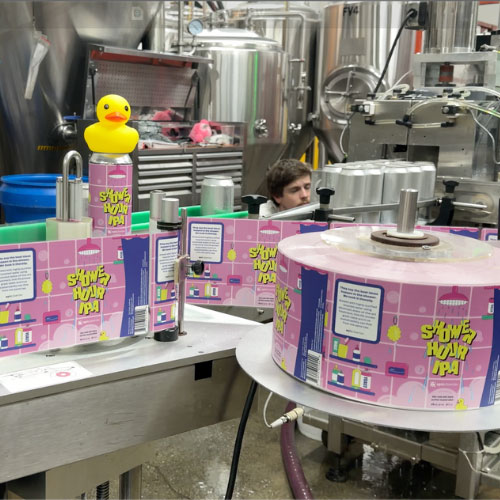
Their second collaboration resulted in two beers that are now available in select markets nationwide: Laundry Club Kölsch and Shower Hour IPA.
“As you can tell by the names, we did not shy away from the original source for these beers,” Tartakovsky said.
Laundry Club features a similar recipe to the OneWater Brew, also a Kölsch-style ale originating in Cologne, Germany. Devil’s Canyon founder and CEO Garrett said they selected this style “because it’s a delicate and fragile beer, and any impurity comes through.”
Epic utilizes a multi-barrier water treatment process that includes membrane bioreactor (MBR) filtration — a biological treatment process combined with an ultrafiltration membrane (membranes with a nominal pore diameter of approximately 0.04 microns) — to capture particles and organisms. The water then undergoes additional purification and polishing steps, including granular activated carbon filtration and multiple stages of disinfection using ultraviolet light and chlorine. For certain applications, including this project, additional treatment such as reverse osmosis is used to further refine water quality. The purified water was collected in potable water totes and transported via truck to the brewing facility.
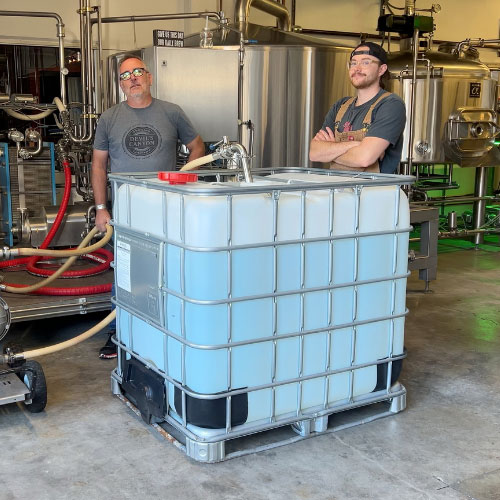
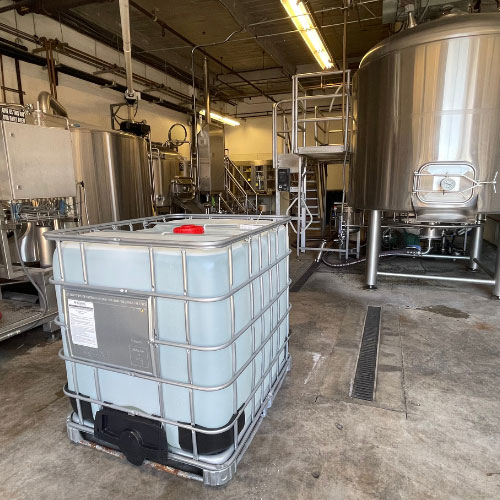
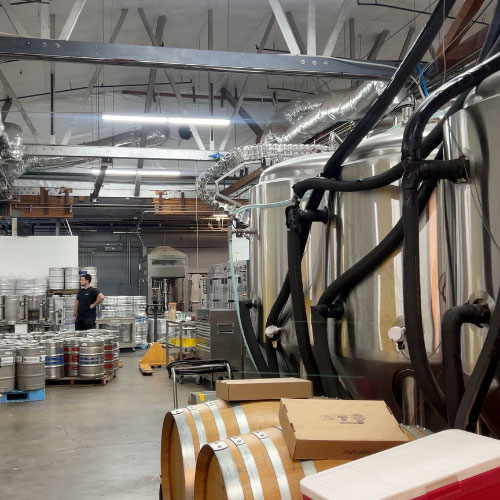
“The water is exceptionally clean,” Tartakovsky said. “We would never serve water that we didn’t know was safe by all measures, so this water was also rigorously tested. We took it to third-party-certified labs and tested it for a whole host of measurements beyond what the building codes where we operate require.”
Tartakovsky said he approached a number of breweries about a potential partnership, and with the exception of Devil’s Canyon they were apprehensive — understandably, he concedes — about working with recycled gray water and how it would be perceived. In the end, he said they found the perfect partner for this collaboration.
“Devil’s Canyon has a very strong history of environmental leadership,” he said. “They’ve done a lot of really impressive things at the brewery to lower their water and carbon footprint.”
Founded in 2001, Devil’s Canyon has long followed a Culture of Re-utilization Ethic (CORE) philosophy.
The brewery has built much of its operation on a foundation of reuse and resourcefulness, with more than 90% of its infrastructure sourced from salvaged or repurposed equipment. Early on, the company began acquiring, refurbishing and redistributing surplus materials — donating usable items such as microscopes, tanks and equipment to schools, nonprofits and research groups worldwide, and selling or scrapping what could not be reused.
That approach began almost by accident when the team helped dismantle a large hotel slated for demolition and was given access to its unused mechanical systems and equipment after an auction was canceled. The recovered boilers, chillers, pumps, piping and HVAC components became the backbone of the brewery’s original buildout, allowing it to create an unusually robust facility at minimal cost.
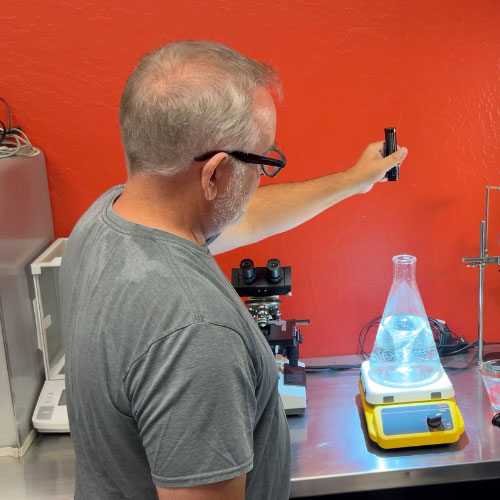
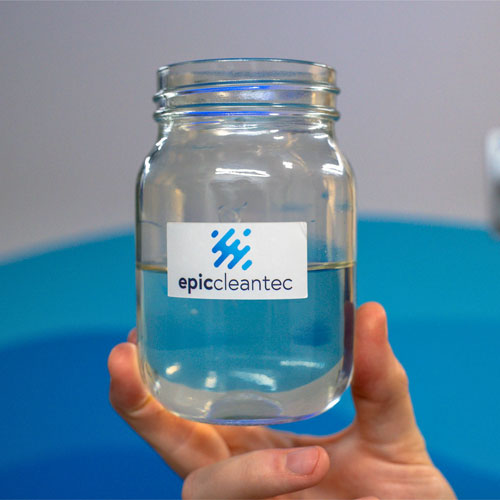
Right: Epic Cleantec’s highly purified water on display. | IMAGE COURTESY OF EPIC CLEANTEC
Over time, the brewery became known for its commitment to salvaging and repurposing industrial equipment, routinely using its delivery trucks to transport grain while also collecting surplus equipment from industrial sites. Partnerships with major companies such as Genentech, Roche and Diageo followed, with the brewery helping salvage and rehome materials from decommissioned facilities — including sending large boilers and other equipment to projects around the world.
This commitment to reuse and adaptive building has earned the brewery numerous green and sustainability awards and shaped its identity as both a brewing operation and a demonstration of how industrial infrastructure can be repurposed creatively and responsibly.
Garrett said even though the water provided by Epic Cleantec had already been tested by independent third-party laboratories, Devil’s Canyon sent additional samples to two separate labs for gas chromatography testing. The result? It was so pure that minerals would need to be added before brewing.
Tartakovsky explained that San Francisco’s robust recycled-water regulations — which require large buildings to install on-site water reuse systems — provided the framework for the project, though brewing beer was not an approved use. San Francisco has emerged as a national leader in on-site water reuse, with city programs enabling buildings to collect, treat and reuse gray water, rainwater and other alternate sources for applications such as toilet flushing, irrigation and cooling. Epic Cleantec worked closely with city agencies to secure a special variance by demonstrating that the recycled water met exceptionally high safety standards. To do so, the company added advanced treatment steps, including reverse osmosis, to ensure the water exceeded typical requirements and protected public health.
Garrett said the Kölsch-style ale was the brewery’s most important test of the recycled-water process, and one they were determined to get right, noting that the delicate style leaves little room for error and quickly reveals any impurities in the water. Early batches were sent to brewers and evaluators around the world as the team worked to refine the beer’s profile.
“We’re trying to replicate the water in Cologne, and in order to do that you have to replicate the mineral base in the water that’s in that region,” he said.
The ultimate test came when reporters from Germany traveled to the brewery in San Carlos, California, to do a blind taste test against Früh, a highly regarded Kölsch ale. “They actually picked ours over Früh, which was shocking,” Garrett said. “We’ve had a number of people come here just to drink our Kölsch-style ale as a result.”
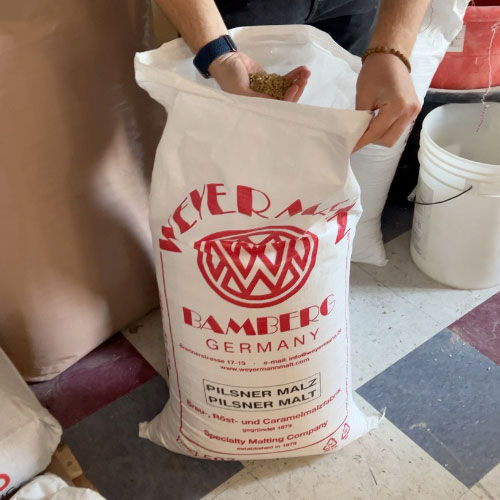
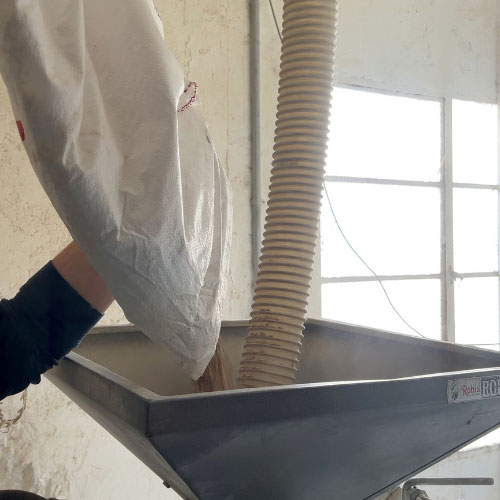
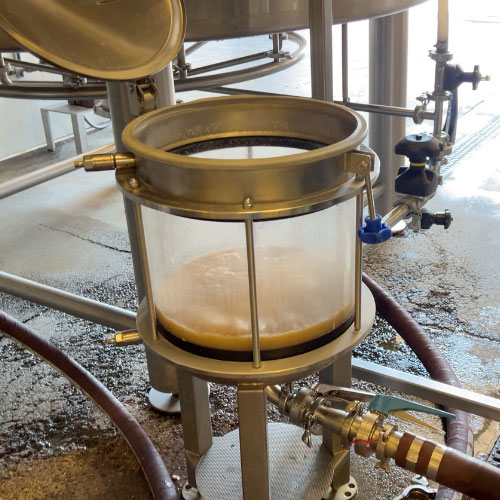
The brewery chose to follow with an IPA, the most popular style among today’s consumers, though Garrett noted that hopforward beers can mask subtle variations in water chemistry more easily than lagers or Kölsch-style ales, where the water profile is central to the finished product.
For the IPA, Garrett assembled the executive staff and tasked them with each contributing one component of sustainability to the recipe. Within an hour, he said, they had three key ideas: Kveik yeast, which requires very little refrigeration; fonio grain, a drought-resistant crop; and Azacca semidwarf hops, a variety known for high cone efficiency — producing more usable hops per plant — along with reduced irrigation needs and strong disease tolerance.
Tartakovsky praised both the intent and the result.
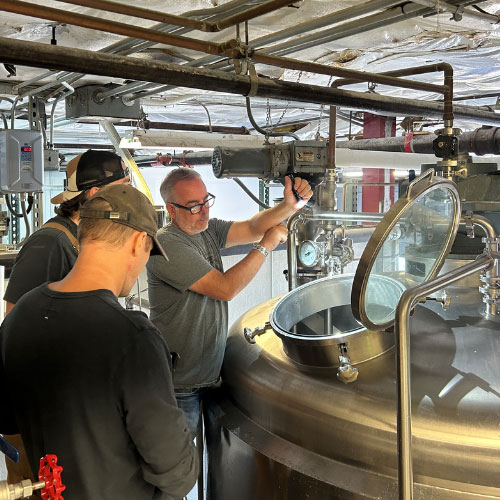
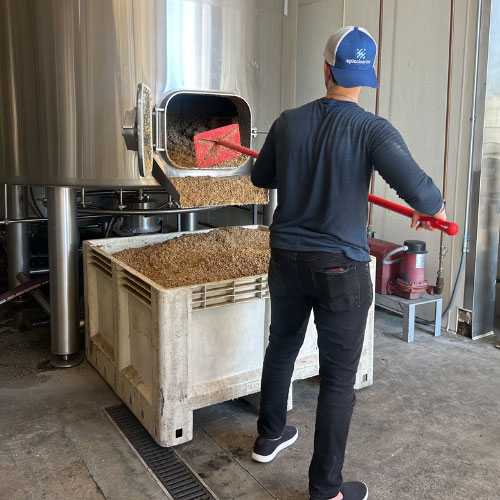
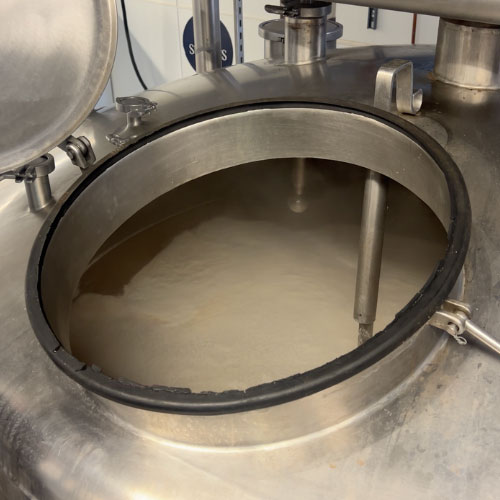
IMAGES COURTESY OF EPIC CLEANTEC
“Every single ingredient, there was an incredible amount of intentionality put into it, and also it’s just a really delicious beer,” he said. “You can stack this beer up against any conventional beer and we’re going to give everyone a run for their money.”
Tartakovsky said the collaboration is opening the door to new possibilities, including non-alcoholic beverages, the fastest-growing segment of the beer industry. He noted the long-term goal is to create recycled-water beverages for both adults and younger audiences who do not consume alcohol.
The collaboration also reached a national stage during Super Bowl week in San Francisco, where tens of thousands of fans sampled them at major music events held at Pier 80. Served in partnership with event producer Non Plus Ultra, the beers were featured throughout three days of concerts and festivities tied to the week’s biggest
performances.
“You can say as much as you can on the side of a package, but at the end of the day, it’s going to be the liquid that sells it,” Garrett said.
The beers are now available at major California retailers, including BevMo! and Total Wine & More, as well as for online purchase in multiple states.
Looking ahead, Tartakovsky said the effort is about changing perceptions as much as it is about creating new products.
“That’s why we often say we judge water by its quality, not by its history,” he said.
“So it may have started off as shower and laundry water, but by the time it goes
through all these different steps, it’s better than a lot of bottled water that you’re
going to buy at the store.”

Mike Flenniken
Mike Flenniken is a staff writer, Marketing and Communications, for IAPMO. Prior to joining IAPMO in 2010, Flenniken worked in public relations for a group of Southern California hospitals and as a journalist in writing and editing capacities for various Southern California daily newspapers.
Last modified: September 1, 2026