One hundred years ago, in 1926, a handful of Los Angeles plumbing inspectors took a coffee break that changed the world. As the story goes, they gathered to compare notes, share challenges, and sharpen one another’s understanding of how to better protect the health and safety of their community. Out of that simple, unselfish desire to improve their craft, the Los Angeles City Plumbing Inspectors Association was born, the seed of what would later become IAPMO.
Those early inspectors could not have imagined jet travel, digital communications, or a globe connected in real time. They also could not have imagined the scale at which their idea would someday operate. But they did understand something timeless: if you bring people together for the right reasons, focus on public health and safety, and work collaboratively rather than competitively, you create a culture that naturally expands its influence.
That culture, our “secret sauce,” even if I hesitate to call it that, still defines IAPMO today.
As CEO during this centennial year, I’m humbled every day by the people who came before me and the foundation they built. Every leader before me — from the inspectors who met monthly at Los Angeles City Hall and paid 50 cents in dues, to the stewards who brought “international” into our name in 1966, to my predecessor Russ Chaney, who rapidly accelerated our global reach beginning in the 1990s — contributed chapters to a story none of them could have fully predicted.
IAPMO’s entry onto the world stage did not happen overnight. It grew organically, often unexpectedly, from doing the right things for the right reasons. When we first engaged internationally in Asia more than 25 years ago, it was in recognition that safe plumbing is a universal need; and that our expertise could help others, just as others have helped us.
Opportunities arose because our intentions were trusted. Partners invited us in because they saw our commitment to public health, not commercial advantage. That trust opened doors in India, China, the Philippines, Indonesia, the Middle East, Mexico, and beyond.
Today, our codes are adopted in countries across four continents; our labs and offices span the globe; and our collaboration with the World Plumbing Council (WPC) and the World Health Organization (WHO) continues to grow. None of this would surprise our founders in spirit, even if the geography might.
This brings me to what I see as the most exciting new frontier in IAPMO’s international story: Africa.
Late last year, an unprecedented workshop of African WPC member organizations convened in Lusaka, Zambia, alongside the WorldSkills Africa plumbing capacity building program. Representatives from Rwanda, South Africa, and Zambia met in person — for the first time — to lay the groundwork for a new WPC Africa Committee.
This was more than a meeting. It was a milestone. It highlighted the emergence of strong, self-sustaining plumbing organizations across the continent:
- The Rwanda Plumbers Organization (RPO)
- The Plumbers Association of Zambia (PAZA)
- Longtime partners the Institute of Plumbing South Africa (IOPSA)
- A growing network of instructors and trainees from across the region
IAPMO and IWSH helped support competition standards, training programs, and workforce development throughout the week, consistent with our 10-year Global Industry Partnership with WorldSkills International. Through this effort we saw firsthand the momentum building in Africa.
For me, witnessing this work on the ground is profoundly moving. When you see instructors from five nations learning together, help empower local organizations that will train the next generation of plumbers, and watch a new regional committee take shape, you’re reminded why we do this: to make safe plumbing universal, build long-term capacity, and transform communities.
People often ask if IAPMO always planned for this level of global reach. The honest answer is yes and no.
Yes, in the sense that our mission has always been scalable. The word “uniform” in Uniform Plumbing Code expresses a goal that inherently transcends borders. And the addition of “international” to our name in 1966 reflected ambition, even if the groundwork wasn’t yet laid.
But no, in the sense that we didn’t map out every step. Many opportunities came because we had spent decades building trust, working through the World Plumbing Council, offering support without asking for anything in return, and demonstrating that when we enter a region, it’s to build capacity, not control.
That consistency creates its own momentum. When people see you doing good work for the right reasons, they ask for your help. When you help, partnership deepens. And over time, transformation follows.
I often imagine those 39 inspectors in 1926; tired, dedicated, doing their best to protect their neighbors. Could they have imagined their work being the genesis of plumbing codes in India and Indonesia, nations with a combined population of nearly 1.7 billion people? Training programs in Zambia or an Africa-wide committee shaping the future of sanitation on the continent?
Probably not. But could they have imagined the spirit behind it all — people coming together to share knowledge, improve safety, and raise standards? Absolutely. That spirit was their entire reason for forming the association.
What they sparked, the values they sought to codify, scaled naturally as the world became more connected. They weren’t thinking small; they were thinking as big as the world allowed them to think at the time.
As we celebrate our 100th anniversary, our work in Africa stands as a testament to how far that century-old idea has traveled. And how far it will continue to go. The new WPC Africa Committee began meeting regularly online last year, with plans for another in-person gathering later this year. More national plumbing organizations are emerging. More partnerships are forming. And more communities are preparing to lift their standards of sanitation and safety for generations to come.
This is what global leadership looks like, helping others build their own systems, their own expertise, and their own future. And as we enter our next hundred years, I’m confident our founders would recognize the heart of this work and be proud of where that coffee-break conversation ultimately led.
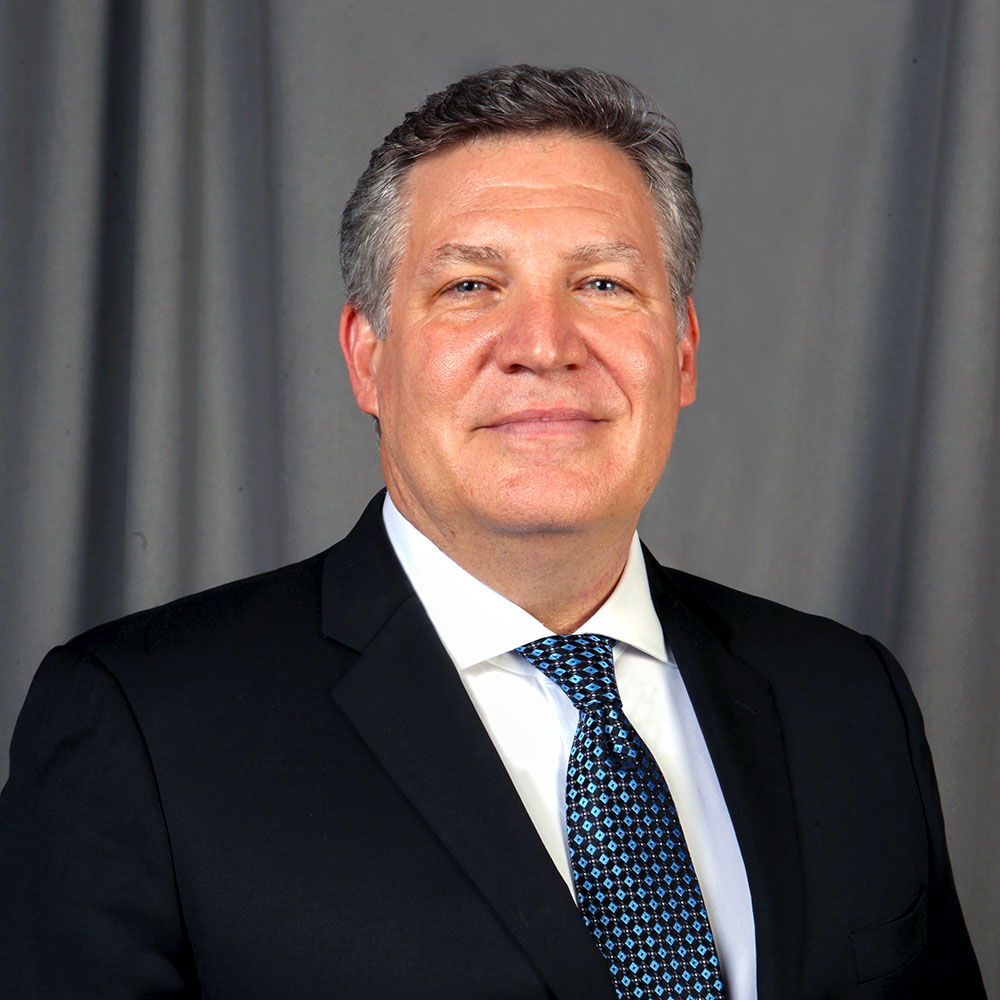
Dave Viola
Dave Viola is the CEO of The IAPMO Group, a global non-profit membership-based organization focused on the development of codes that govern plumbing quality standards. He has more than 25 years of senior management experience within the plumbing and mechanical industry. He joined IAPMO in 2007 and, served as IAPMO’s chief operating officer with strategic and operational responsibility for the comprehensive array of IAPMO Group programs and services. Dave also serves as Deputy Chairman of the World Plumbing Council. Dave previously worked as Technical Director for the Plumbing Manufacturers Institute (PMI) from 1998 until 2007. He serves or has served on many industry committees and boards in the United States and Canada, including AWE, ASME, ANSI and ASHRAE.
Last modified: February 19, 2026